





Word Account: Approx 1500 words | Read Time: About 7 mins
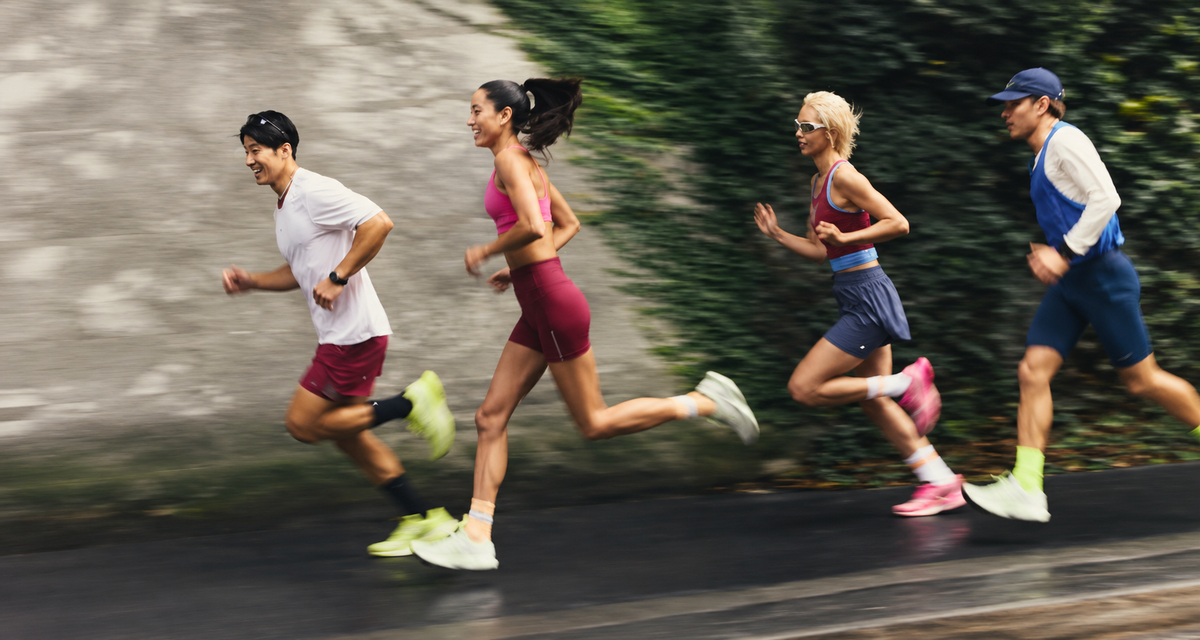
When many people start trying to lose fat, they deliberately push breakfast until after their workout.
The reason is simple: If you haven’t eaten anything all night, will your body directly use more fat when you go for a run?
From the perspective of what happens during exercise, this idea isn’t entirely unfounded. Exercising in a fasted state can indeed change how the body uses energy and increase fat oxidation.
But this is also where the misunderstanding begins:
Using more fat during exercise and ultimately losing more body fat are not the same thing.
Fasted exercise may increase fat utilization during a workout, but using more fat while exercising doesn’t necessarily mean you’ll lose more body fat over the long term.
To decide whether fasted running is necessary, you can’t look only at those 30 minutes of exercise.
1. Does Fasted Exercise Really Burn More Fat?
During fasted exercise, your body may indeed rely more heavily on fat for energy.
After going without food overnight, your metabolic state during morning exercise is different from exercising after breakfast. The energy required for exercise still comes from both fat and carbohydrates, but the proportion contributed by each may change.
A systematic review and meta-analysis published in the British Journal of Nutrition found that compared with exercising after eating, fasted aerobic exercise resulted in higher fat oxidation during exercise.
This is where the idea that “fasted exercise burns more fat” comes from.
But fat oxidation during exercise and long-term body fat loss are not the same thing.
Fat Oxidation During Exercise
describes changes in how energy is supplied during a particular workout
Long-Term Fat Loss
looks at changes in the body over several weeks or even longer.
So:
Using more fat during exercise ≠ necessarily losing more body fat in the end.
2. Why Doesn’t Burning More Fat During Exercise Necessarily Mean Losing More Fat Overall?
Imagine you run for 30 minutes in the morning before eating.
During those 30 minutes, the proportion of energy coming from fat may be higher than if you had eaten beforehand. But a 30-minute run represents only a small part of your entire day.
After your run, you’ll still eat breakfast, lunch, and dinner. You’ll continue moving, resting, and possibly exercising again later. The way your body uses fat and carbohydrates will continue to change throughout all of these activities.
That means simply comparing “how much fat was used” during a run cannot directly tell you who will lose more body fat several weeks later.
A randomized controlled trial published in the Journal of the International Society of Sports Nutrition compared women performing aerobic exercise in a fasted state with those exercising after eating. With calorie intake controlled, both groups experienced reductions in body weight and body fat after four weeks of training, but the study found no clear additional advantage for the fasted group.
The study was limited in both size and duration, but it illustrates an important distinction:
Fat utilization during exercise is one thing. Long-term changes in body fat are another.
Fat loss isn’t determined by one 30-minute workout. It depends on your diet, activity, and exercise habits over a much longer period.
3. Running Hungry May Affect Your Workout Before It Affects Your Fat Loss
Walking for 20 minutes on an empty stomach and completing a longer Running session while fasted are not exactly the same situation.
If you planned to run for 40 minutes but start feeling noticeably low on energy in the second half, slow down, or even finish early, then the workout itself has already been affected.
A systematic review and meta-analysis published in the Scandinavian Journal of Medicine & Science in Sports found that eating before exercise was more beneficial for longer-duration aerobic exercise performance, while the same clear advantage was not found for shorter-duration aerobic exercise.
So if you’re only doing a short, easy Walking session and you consistently feel fine exercising before breakfast, you can arrange it according to your normal routine.
But if you’re planning to run longer, run faster, or complete a more challenging workout, there’s no need to deliberately avoid eating just to chase the idea of “fasted fat burning.”

4. Should You Eat First Tomorrow Morning? Look at How You Plan to Train
4.1 If You’re Only Walking for 20–30 Minutes, Do You Have to Eat First?
If you’re only doing 20–30 minutes of easy Walking and you haven’t experienced noticeable discomfort during fasted exercise in the past, you don’t need to change your breakfast timing specifically for the workout.
The point here isn’t “how much more fat can I burn by staying fasted?” It’s whether this routine allows you to exercise comfortably and consistently.
If exercising on an empty stomach leaves you feeling low on energy or uncomfortable, don’t force yourself to stay fasted for a supposed fat-burning advantage.
4.2 If You’re Planning to Run or Train for Longer, Is It Still Worth Deliberately Staying Fasted?
If you’re planning a longer run today or a more challenging workout, getting some energy before exercising may be more helpful.
Especially if you’ve already noticed that fasted workouts cause you to slow down or stop early later in the session, instead of deliberately staying fasted, consider what will help you complete the workout you originally planned.
First decide how you’re going to train today, then decide when to eat.
4.3 Will Eating a Banana Before Running Affect Fat Burning?
Eating a banana before running means your body is no longer in a fasted state, but that doesn’t mean your workout suddenly stops burning fat.
A banana provides carbohydrates that can supply energy for the workout ahead. For longer-duration aerobic exercise, eating appropriately before training may also help maintain exercise performance.
So if you tend to lose energy during the second half of a fasted run, a banana or a slice of toast may be more suitable than deliberately staying fasted.
Fasting changes how your body supplies energy, but being able to maintain your performance and complete your workout matters too.

5. If You Really Want to Lose Fat, Don’t Put All Your Focus on Those 30 Minutes Before Breakfast
If you only have 30 minutes every morning, instead of repeatedly worrying about whether to exercise fasted or after eating, first think about what you can realistically complete today.
If time is tight, you can walk for 20–30 minutes. If you’re feeling good, you can gradually increase the speed. If you want to make your workout more challenging, you don’t necessarily have to keep running faster—you can also use incline to change the intensity.
That’s why, when exercising at home, equipment that supports different training styles can be more practical. For example, the DeerRun A6 Plus features a 2-in-1 design. With the handrail lowered, it supports 0.6–3.8 MPH, making it suitable for everyday Walking. Raise the handrail, and the speed can reach up to 7.5 MPH, allowing you to progress from brisk walking into Running. It also offers a 5% Manual Incline, so when you want more variety, you can add incline at a similar speed instead of simply continuing to go faster.
Walking
0.6–3.8 MPH with the handrail lowered
Running
Up to 7.5 MPH with the handrail raised
Incline Training
5% Manual Incline
If you only have 20 minutes in the morning, you can take an easy walk. When you have more time and feel good, you can switch to a faster workout. Instead of searching for one fixed “best fat-burning mode,” being able to adjust your exercise according to your time and energy each day may make it easier to stay consistent over the long term.
Fasted Exercise Can Be an Option, but It Isn’t a Shortcut to Fat Loss
Fasted exercise may increase fat utilization during the workout, but that doesn’t directly mean it will lead to greater long-term body fat loss.
If you’re only doing a short, easy Walking session and you feel good exercising fasted, you can arrange it according to your usual routine.
If you’re planning a longer or more challenging Running session, or if exercising fasted is already affecting your performance, having some energy before your workout can be an entirely appropriate choice.
So when you’re getting ready to exercise in the morning, you don’t need to start by worrying about whether you’re “fasted.”
First decide how you’re going to train today, then decide how to eat.
What really affects long-term results isn’t how much fat you use during one particular workout, but whether your diet and exercise habits can remain consistent over time.
Give Every Workout a Better-Fitting Option
Some days you may only want an easy 20-minute walk. Other days you may want to run faster or use incline to add a little more challenge. The DeerRun A6 Plus lets you complete Walking, Running, and Incline Training at home.
Explore DeerRun A6 Plus →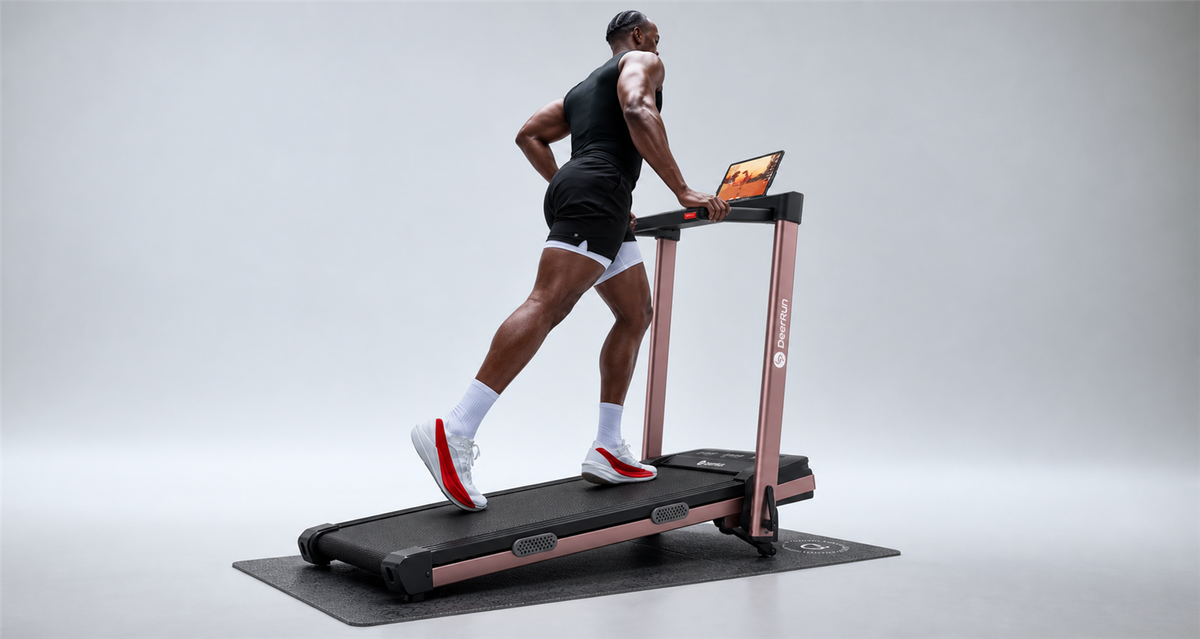


Leave a comment
This site is protected by hCaptcha and the hCaptcha Privacy Policy and Terms of Service apply.