






Word Count: Approx. 1,200 words
Reading Time: About 6 minutes
You may run into a common question once you start exercising: If I'm exercising more, should I eat more or less?
Some people avoid eating after workouts because they worry about affecting weight management. Others start exercising regularly and immediately add protein shakes, sports drinks, and various “fitness meals” to their routine.
The reality is that different levels of exercise come with different nutrition needs.
Light exercise, regular training, and advanced training don't require the same approach. Even if you exercise the same number of times per week, your nutrition priorities may differ depending on whether you mainly do cardio or strength training.
So instead of simply asking, “What should I eat after a workout?” start by looking at your training frequency, workout type, and workout duration.
1. Light Exercise: Do You Really Need a “Workout Meal”?
If your workouts mainly consist of easy walking, low-intensity jogging, or simple home workouts lasting around 20–40 minutes, you usually don't need to prepare a special “workout meal” just because you've started exercising.
1.1 What Should You Eat If You're Hungry Before Exercise?
If you have 1–2 hours before exercise, you can simply have a normal meal.
If you only have 30–60 minutes before your workout, choose a small, easy-to-digest option, such as:
- A banana
- A slice of toast
- Yogurt
- A small serving of oatmeal
If you're not hungry, you don't need to force yourself to eat just because you're about to exercise.
1.2 Do You Need to Eat Immediately After Exercise?
If you've only done around 30 minutes of light exercise, your normal meals are usually enough.
For example:
Rice + chicken/fish/eggs + vegetables
There's no need to add a high-calorie meal simply because you completed a light workout.
If weight management is your goal, consider your exercise and overall daily food intake together rather than automatically treating a “post-workout snack” as part of every workout.
2. Regular Exercise 3–5 Times a Week: How Should You Eat for Cardio vs. Strength Training?
When you exercise 3–5 times a week for around 30–60 minutes per session, your diet doesn't need to become complicated, but you can start making adjustments based on your training type.
Cardio training places more emphasis on energy availability before and after exercise, while strength training requires more attention to protein and overall meal composition.
2.1 If You Mainly Do Cardio, How Should You Plan Your Carbs?
If your workouts mainly include running, brisk walking, cycling, or other forms of cardio, carbohydrates are an important source of energy. You can plan your meals based on how much time you have before training.
Before training:
If you have 1–2 hours before your workout, you can have a normal meal, such as:
- Rice + chicken + vegetables
- Oatmeal + banana + milk
- Whole-grain bread + eggs + fruit
If you feel hungry shortly before training, choose a smaller option such as a banana, toast, or yogurt to avoid feeling overly full during exercise.
During training:
For a regular 30–60 minute cardio workout, you generally don't need to eat during the session. Have water available and focus on hydration.
After training:
After your workout, you can replenish the energy you used through a normal meal.
For example:
Rice + fish + vegetables
or:
Potatoes + chicken + vegetables
If you can't have a full meal right away, you could choose a simple combination such as banana + yogurt or whole-grain bread + milk.
There's no need to think of carbohydrates as “the more, the better.” If you've completed a regular 30–60 minute cardio session, adjust your food intake based on your hunger and overall diet for the day.
2.2 If You Mainly Do Strength Training, How Should You Plan Your Protein?
If strength training is your main form of exercise, the focus shifts from simply “replacing energy” to getting enough protein while still including adequate carbohydrates.
Before training:
You don't need to start your workout on an empty stomach, but you also don't need to prepare a special “fitness meal.”
If you have 1–2 hours before training, you could have:
Rice + chicken/fish + vegetables
If you're short on time, keep it simple:
- Yogurt + banana
- Egg + whole-grain bread
- Milk + oatmeal
During training:
For a 30–60 minute strength workout, hydration is usually the main priority.
Rather than focusing on food during the workout, it's more useful to avoid starting after a long period without eating and have a proper meal after training.
After training:
Don't focus only on protein.
A complete meal can include:
Protein + carbohydrates + vegetables
For example:
- Chicken breast + rice + broccoli
- Fish + potatoes + vegetables
- Eggs + whole-grain bread + milk
If you can't have a full meal right away, you could choose milk + banana or yogurt + fruit first, then have a regular meal later.
For people who train regularly, it's more useful to include protein consistently in everyday meals rather than relying on one specific food. At the same time, don't eliminate carbohydrates simply because you're prioritizing protein.

3. Advanced Training: Your Nutrition Should Scale With Your Training Intensity
When you train more frequently or regularly perform cardio sessions lasting more than 60 minutes or high-intensity strength workouts, nutrition shouldn't focus only on what you eat after exercise.
At this stage, think about nutrition as part of the entire training process:
Pre-workout preparation → During-workout fueling → Post-workout recovery
3.1 Advanced Cardio: How Should You Fuel Workouts Longer Than 60 Minutes?
If a cardio session lasts 60–90 minutes or longer, it can help to plan your carbohydrate intake in advance.
For example, 2–3 hours before training, you could choose:
Rice/oatmeal/pasta + a moderate amount of protein
As workout duration increases, you may also need to consider:
Fluids + electrolytes + carbohydrates
Carbohydrate sources during longer workouts can include bananas, sports drinks, or energy gels, depending on the type and duration of exercise.
After training, you can combine:
Rice/pasta/potatoes + chicken/fish/eggs + fluids
to support recovery.
The goal isn't simply to “eat more because you trained longer.” It's to make your intake better match the actual demands of your training.
3.2 Advanced Strength Training: Don't Focus Only on Your Post-Workout Meal
If you strength train several times a week, the protein you eat after training is only one part of your overall diet.
A more practical approach is to spread protein sources throughout the day while adjusting your carbohydrate intake according to your training volume.
For example:
Breakfast: Eggs + oatmeal + milk
Lunch: Chicken + rice + vegetables
Post-workout dinner: Fish + potatoes/rice + vegetables
If your training volume is noticeably higher that day, you can also add a simple snack based on your hunger and training schedule, such as:
Yogurt + fruit
or:
Milk + banana + whole-grain bread
This is generally easier to maintain than trying to fit all your nutrition into one large post-workout meal.

4. Does Exercising More Always Mean You Need to Eat More?
Not necessarily.
What you need to adjust isn't simply how much you eat, but what you eat, when you eat it, and whether it matches your training volume.
| Training Level | Cardio | Strength Training |
|---|---|---|
| Light exercise | 20–40 min: Eat normally; if hungry beforehand, choose a banana or toast; focus mainly on hydration during exercise. | 20–40 min: Follow normal meals; after training, have a protein-containing meal such as eggs + rice + vegetables. |
| Regular exercise 3–5 times/week | 30–60 min: 1–2 hours before, choose rice, oatmeal, bread, etc.; afterward, combine rice/potatoes + chicken/fish/eggs. | 30–60 min: Eat normally before training; afterward, choose chicken/fish/eggs + rice/potatoes/whole-grain bread. |
| Advanced training | 60+ min: Increase pre-workout carbs such as rice, oatmeal, pasta, or bananas; during longer sessions, consider fluids, electrolytes, and carbohydrates; afterward, combine carbs + protein. | Frequent or high-intensity training: Include protein sources such as chicken, fish, eggs, milk, or tofu throughout the day and adjust carbohydrates such as rice, pasta, potatoes, or oatmeal according to training volume. |
You don't need to completely change your eating habits just because you've started exercising. At the same time, avoiding food after exercise simply because you're trying to manage your weight isn't necessarily the answer either.
Look at your training volume first, then decide what actually needs to change.
As your training progresses from occasional exercise to regular workouts and eventually higher-intensity training, your nutrition can gradually become more targeted as well.
5. Use Your Workout Data to Guide Your Adjustments
When your training volume changes, tracking your workouts can help you understand how much you're actually doing.
For treadmill workouts, useful metrics include:
- Workout duration
- Distance
- Speed
- Incline
- Weekly training frequency
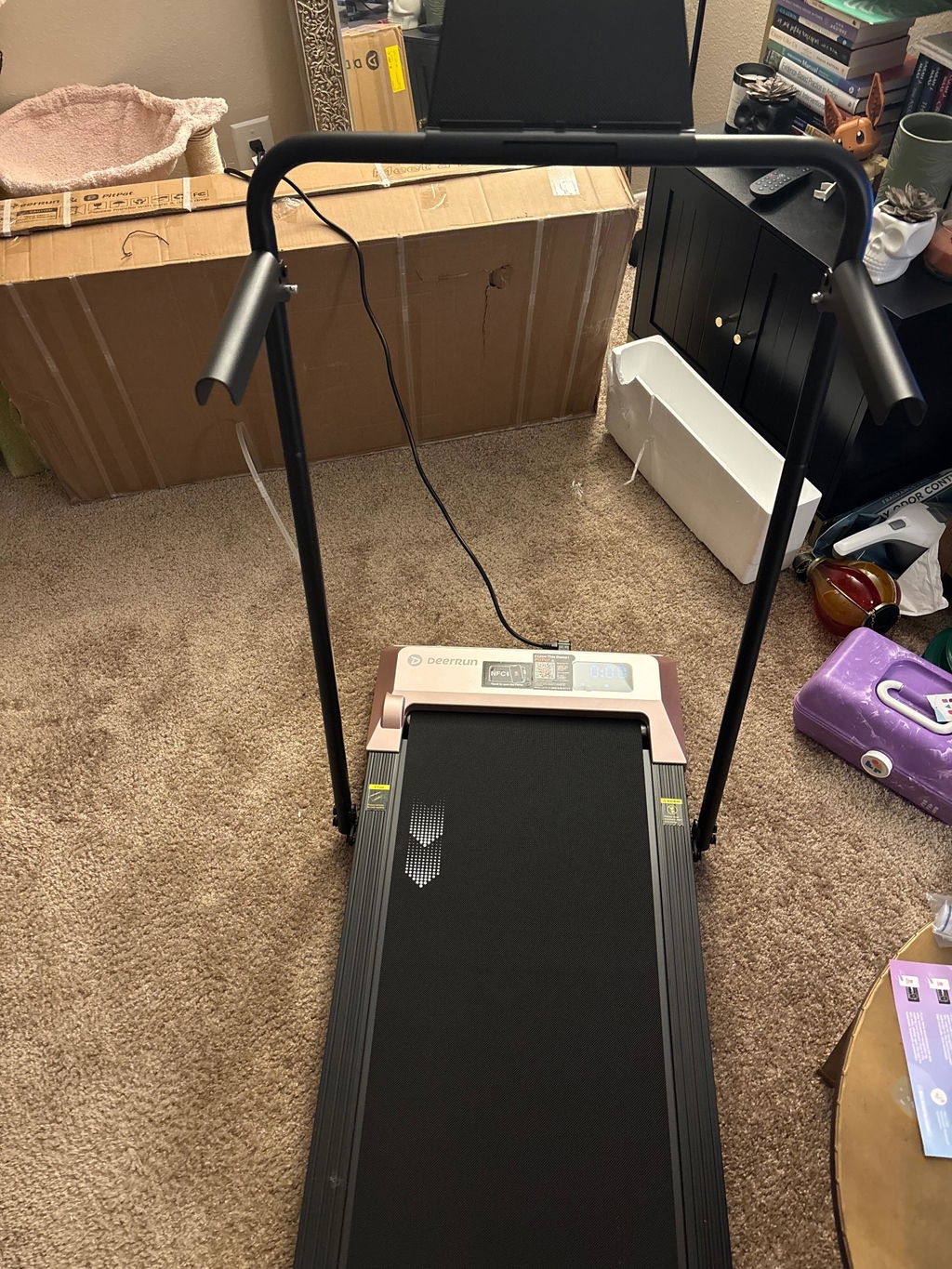
DeerRun A1 Pro can support different everyday training scenarios, from walking to jogging. Combined with PitPat, you can track workout data and progress more consistently, giving you a clearer picture of changes in your training routine.
Instead of simply thinking, “I worked out a lot today,” you can use your actual training data as a reference when considering whether your nutrition needs to change.
The Bottom Line
Exercising more doesn't automatically mean you need to eat more.
For light exercise, normal meals are usually enough. For regular training, adjust your nutrition based on whether you're doing cardio or strength work. For advanced training, consider nutrition before, during, and after your workouts.
The key is to make your diet match your training type, workout duration, and overall training volume, rather than simply following a generic “fitness meal plan.”
Ready to Start Your Home Workout Routine?
Find a DeerRun treadmill that fits your workout goals and build a routine that works for your lifestyle.
Explore All DeerRun Treadmills →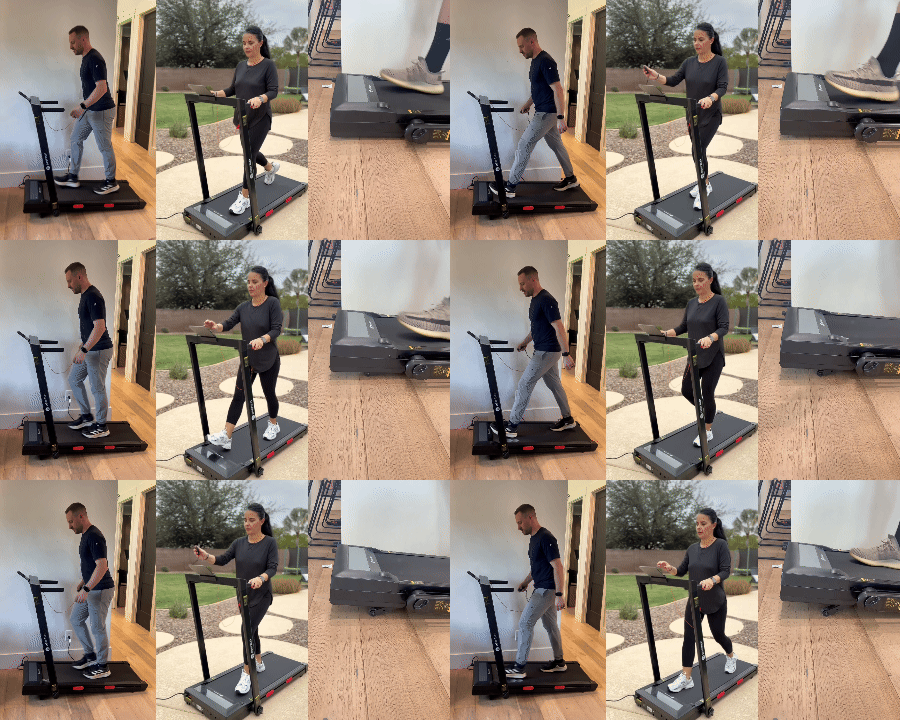


Leave a comment
This site is protected by hCaptcha and the hCaptcha Privacy Policy and Terms of Service apply.