





Word Count: Approx 2,000 words | Reading Time: About 10 minutes
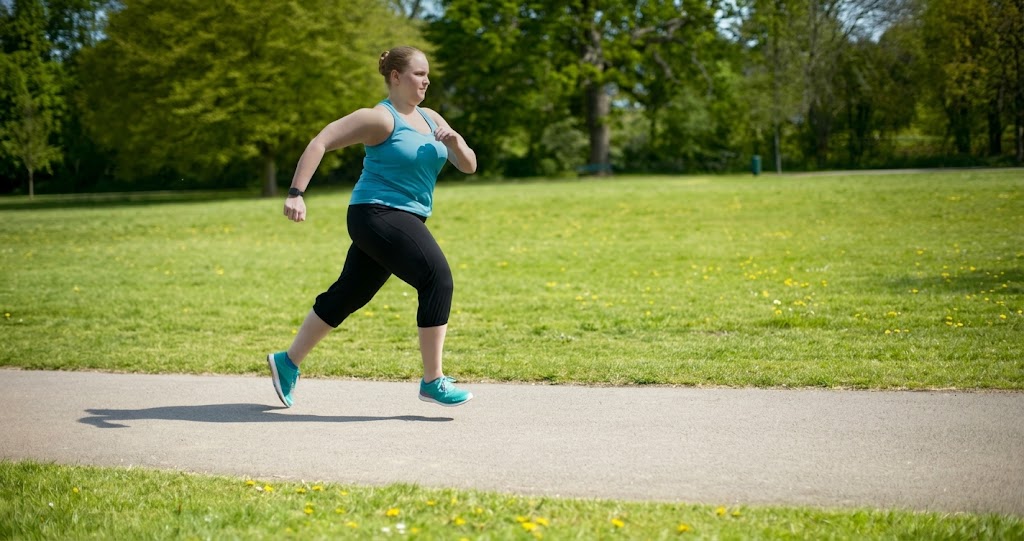
After starting to exercise, many people encounter a confusing problem: even though they are exercising more regularly than before, their weight does not decrease and may even increase.
At this point, many people’s first reaction is, “Am I just not exercising enough?”
But fat loss is not simply a matter of “the more you exercise, the faster your weight drops.” Diet, exercise intensity, training type, and the way you maintain your routine over time can all affect the final result.
If you are gaining weight after exercising, you can first check these three things.
1. Exercising but Not Losing Weight? First, Look at What You Eat
Exercise does increase energy expenditure, but that does not mean you can eat whatever you want after exercising.
For example, after finishing a workout, you may think, “I already exercised,” and then have an extra high-calorie meal, dessert, or drink. The energy burned through exercise may easily be offset by the additional calories you consume.
For fat loss, what really matters is your overall energy balance over a period of time, rather than how many calories you burned during one particular workout.
So, you do not need to control your diet excessively after exercising, and you should not avoid eating or eat too little for long periods just because you want to lose fat. Excessive dietary restriction may affect your training performance and recovery, and it can also make it harder to maintain your routine over the long term.
A more practical approach is to exercise regularly each week, schedule walking, running, or incline walking into your routine, and adjust your meals and snacks based on your activity level—rather than using one high-calorie meal to undo the workout you just completed.

🍽️ How Much Should You Eat When You Exercise More?
Feeling hungrier after a workout is normal, but that doesn’t always mean you need to eat significantly more. Your training duration, intensity, and overall activity level all affect how much you actually need.
Wonder how your nutrition should change as your training increases?
Read the Nutrition Guide →2. Does Training Harder Really Mean Losing Weight Faster?
2.1 Excessively High Exercise Intensity Can Increase Recovery Demands
Pushing yourself to exhaustion every time does not automatically lead to better fat-loss results.
For people with a limited exercise base, suddenly increasing training intensity and exercise volume may create greater fatigue and recovery demands, while also increasing the risk of exercise-related injuries.
Daily training can start with moderate-intensity aerobic exercise, and then gradually increase the duration or intensity according to your condition.
2.2 Lower Exercise Intensity Should Be Adjusted According to Your Training Goals
Easy walking certainly has value, especially for people who are just starting to exercise, spend a lot of time sitting, or need to increase their daily activity level.
But if your goal is to further improve cardiovascular fitness or increase training stimulus, maintaining only very light activity over the long term may not be enough.
Therefore, the key is not to find a so-called “best fat-burning intensity,” but to find an amount of exercise you can maintain over the long term.
If you are just starting to exercise, you can begin with 10–20 minutes of walking per day and gradually increase the duration.
Q2 Urban + PitPat AI Coach is suitable for this type of starting point.
The Q2 Urban has a speed range of 0.6–3.8 MPH, allowing you to start with easy walking. Combined with PitPat AI Coach, you can receive workout suggestions based on your individual goals and exercise situation, and then gradually adjust your workout routine.
3. Is Running Alone Not Enough? Fat Loss Also Requires Strength Training
Aerobic exercises such as running, brisk walking, and cycling can help increase energy expenditure while improving cardiovascular fitness.
But if you only do one type of aerobic exercise over the long term, your training structure can become relatively limited, so it is also important to add strength training.
One important benefit of strength training is helping maintain and develop muscle.
During fat loss, if you focus only on weight loss while neglecting muscle maintenance, it may affect body composition and exercise performance.
Therefore, a more complete workout plan should generally include not only aerobic exercise, but also an appropriate amount of strength training.
It can be simply understood as:
Aerobic exercise: Increase activity levels and improve cardiovascular fitness
Strength training: Maintain and develop muscle
A balanced diet: Manage overall energy intake
Combining all three is more comprehensive than simply increasing your running time continuously.
4. From Walking to Running, Fat-Loss Exercise Can Progress Step by Step
Fat loss does not mean you have to start running immediately. Choosing a workout method based on your exercise level can actually make it easier to build a long-term exercise habit.
4.1 Just Starting to Exercise: Start by Getting Moving
If you do little exercise in your daily life, you can start with easy walking.
For example, walk for 10–20 minutes each day, and gradually increase to 30 minutes or longer once you adapt.
The Q2 Urban is more suitable for daily walking and fragmented exercise. You can use your morning, work breaks, or TV time in the evening to increase your activity level, and then use PitPat AI Coach to adjust your workout routine according to your goals.
4.2 Have Some Exercise Experience: Add Incline Walking
Once walking on a flat surface feels relatively easy, you can try adding incline walking to further increase the training stimulus.
When flat walking has become relatively easy, you can try adding incline walking to naturally increase workout intensity. The DeerRun Z10 Pro supports incline adjustment, allowing you to flexibly adjust the incline and speed according to your exercise level without immediately moving into high-intensity running.
If you are unsure how to arrange the incline and workout volume, you can also combine it with PitPat AI Coach to receive more suitable workout suggestions based on your exercise goals, training performance, and physical condition. This allows incline walking to serve as an intermediate stage between walking and running, gradually increasing the training stimulus.
4.3 Already Have a Running Base: Gradually Build a Regular Running Routine
If you can already run consistently, you can add different types of running workouts according to your goals, such as easy runs, steady-pace runs, or interval training.
At this stage, the A1 Pro can serve as an assistive tool for daily running workouts. It supports speeds of up to 12 MPH, covering easy runs, steady-pace runs, and higher-intensity interval training. Combined with PitPat AI Coach, you can gradually adjust your workout plan according to your exercise goals, training performance, and recovery rather than pushing yourself to exhaustion every time.

From walking to incline walking and then to running, workout intensity should gradually increase as your body adapts. You do not need to perform at your best from the beginning. Building consistency first and then progressing gradually can actually make it easier to achieve stable training results.
5. Gaining Weight After Exercising? Check These 3 Things First
If you have started exercising but find that your weight is not moving in the direction you expected over time, you can first ask yourself:
① Am I eating more after exercising?
Exercise expenditure cannot offset excessive calorie intake over the long term.
② Is my workout intensity suitable for me?
Harder is not always better, and easier is not always more effective. You need to find an appropriate amount of exercise for yourself.
③ Am I only doing aerobic exercise without strength training?
Combine aerobic and strength training to make your workout plan more complete.
The key to fat loss has never been pushing yourself to your limit, but finding a rhythm that works for you and continuing to follow it. Focus on balancing diet, workout intensity, and training structure, and use PitPat AI Coach to create a plan that better suits you, so that every workout has a clearer direction. Start with walking, gradually add incline walking, running, and strength training, and make fat loss a sustainable part of your lifestyle.
Exercise Scientifically, Not Harder
Start with walking and gradually add incline walking and running.
Start first, then progress.
Explore DeerRun Treadmills and Start Moving Smarter
Explore DeerRun treadmills designed to support different stages of your workout routine, from everyday walking and incline training to regular running.
Explore All Treadmills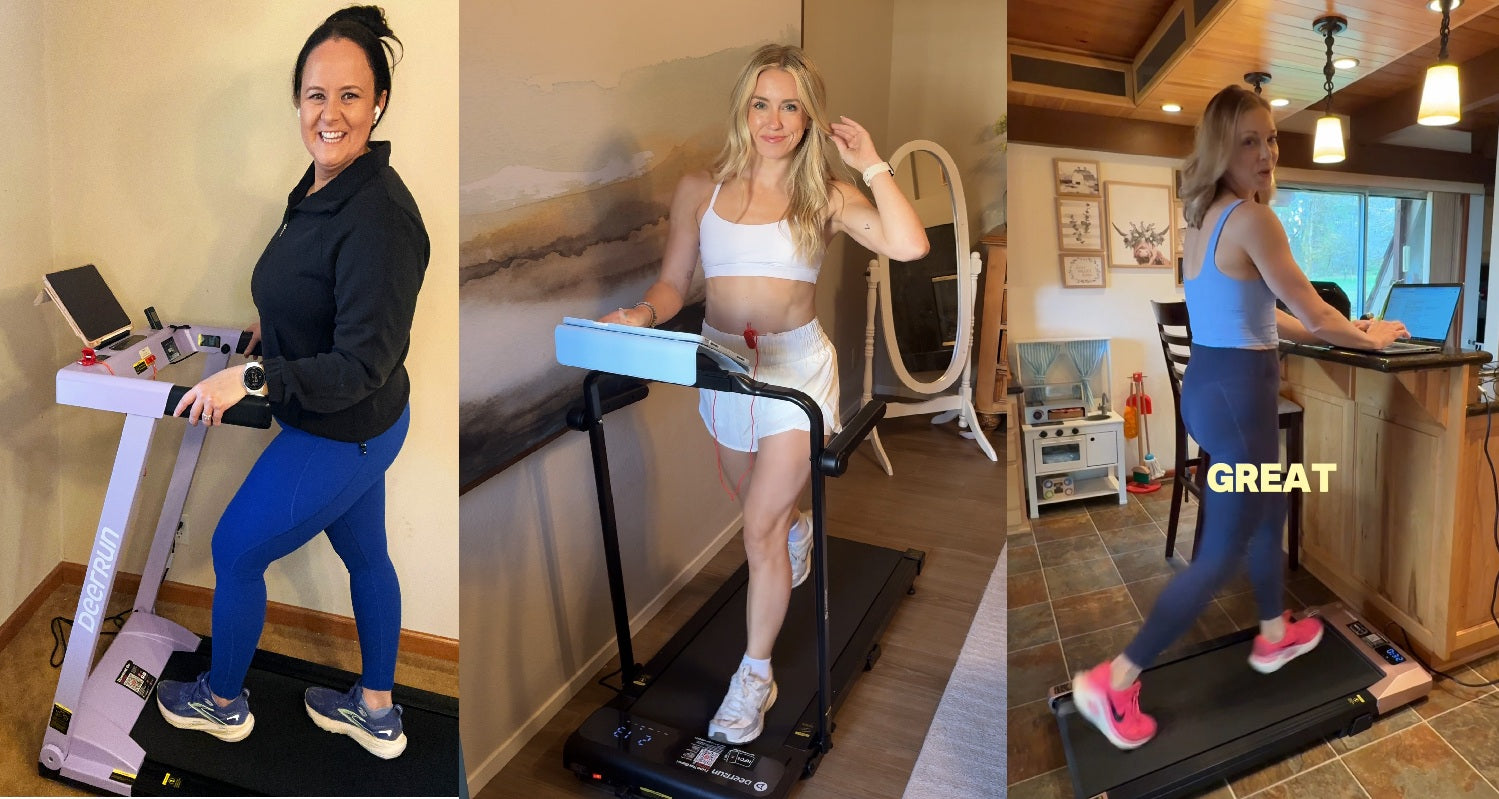


Leave a comment
This site is protected by hCaptcha and the hCaptcha Privacy Policy and Terms of Service apply.