





Estimated Reading Time: 6 minutes
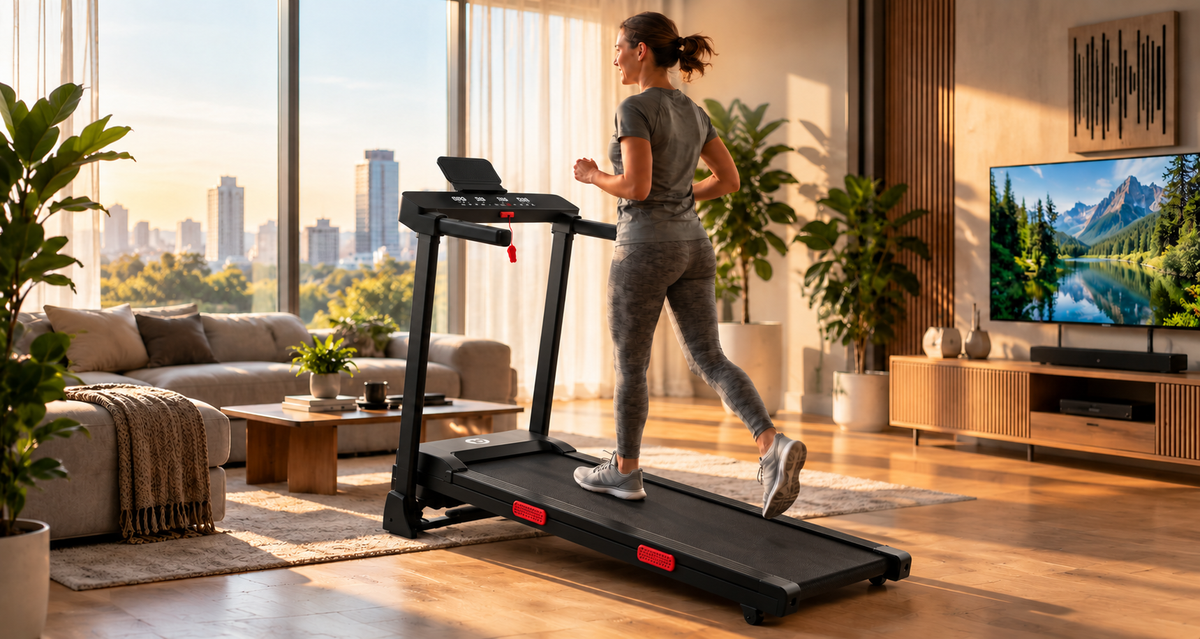
Want to try incline training at home but worried your treadmill might become unstable when the incline increases?
If you're planning to use a treadmill regularly in your living room or bedroom, there's more to consider than its maximum incline. Will the machine wobble during workouts? Will its structure remain reliable after repeated use?
You can't judge an incline treadmill's safety simply by looking at its appearance or weight. Structural stability, durability, and protection around moving parts are equally important.
The DeerRun Z10 Pro has undergone third-party mechanical safety testing by SGS, providing documented evidence to help answer these questions.
1. What Makes an Incline Treadmill Stable?
An incline treadmill simulates uphill movement. As speed and incline change, users naturally become more concerned about how stable the machine feels.
When choosing an incline treadmill, focus on three key factors:
- Overall construction: The frame, base, and supporting components all contribute to the treadmill's stability during exercise.
- Floor conditions: Uneven or overly soft flooring may cause unusual movement or wobbling.
- Operating conditions: Running, adjusting the incline, and folding the treadmill place different demands on its structure, making appropriate mechanical safeguards important.
A little vibration during exercise doesn't necessarily mean something is wrong. However, if the treadmill rocks noticeably, shifts across the floor, or has loose supporting components, stop using it and investigate the cause.
Beyond everyday user experience, third-party mechanical safety testing provides another useful reference when evaluating treadmill stability.
2. How Does SGS Test Treadmill Stability?
The DeerRun Z10 Pro has passed SGS third-party mechanical safety testing (Report No. GZES260701380131; Testing Organization: SGS-CSTC Guangzhou Branch; Date: August 13, 2026).
The testing covered stability, durability, and mechanical protection.
Three tests are particularly relevant to everyday home use.
2.1 10° Inclined Platform Stability Test: Can the Treadmill Resist Tipping?
SGS placed the treadmill on a test platform inclined at 10° and evaluated whether the equipment would tip under specified conditions.
The treadmill did not tip over during the test and passed the inspection.
This test provides evidence of the treadmill's resistance to tipping under the prescribed conditions.
For home users, it offers another way to understand the equipment's safety performance beyond how stable it feels during an ordinary workout.
Important: The 10° measurement refers to the angle of the testing platform, not the treadmill's built-in workout incline.
2.2 12,000-Cycle Durability Test: Can It Withstand Repeated Use?
If you run at home several times a week, your treadmill must withstand repeated mechanical loads over time. That's why structural durability matters.
The corresponding Z10 Pro model passed a 12,000-cycle durability test, designed to evaluate how its frame and related components withstand repeated mechanical loading.
For households with regular workout routines, this provides a more specific reference for treadmill durability than a general claim that a machine is "sturdy" or "built to last."
2.3 Mechanical Protection Tests: Reducing Pinch Hazards During Adjustment and Storage
When folding a treadmill, your fingers may come close to moving components, including handrail connections and folding joints.
Improper handling can create pinch hazards.
SGS examined clearances around moving parts, potential finger-trapping hazards, and adjustment mechanisms. The relevant tests were passed.
These results indicate that the Z10 Pro's design has been evaluated for mechanical hazards in areas where users may place their hands during adjustment, unfolding, and folding.

3. How Does the Z10 Pro Balance Incline Training and Home Use?
The DeerRun Z10 Pro offers a maximum speed of 7.5 MPH, a 12% automatic incline, and a foldable design.
It supports everyday walking as well as more challenging indoor workouts.
3.1 A Stable Workout Experience Matters as Much as Incline Range
For anyone who enjoys incline training, maximum incline isn't the only consideration. How stable the treadmill feels while you're exercising matters too.
The Z10 Pro offers an automatic incline of up to 12%, allowing users to adjust the uphill challenge according to their workout needs.
Its speed range, reaching 7.5 MPH, supports both flat-surface jogging and incline walking.
You can also adjust the incline using the remote control or app, without repeatedly stopping your workout to make manual adjustments.
When transitioning from flat walking to incline training, your body needs time to adapt to changes in posture and exercise intensity. Choosing a comfortable speed and incline helps make the workout easier to control.
Customer Review — Dee Torres
Dee Torres purchased the treadmill specifically for its incline feature. Although initially concerned that the machine might not be sturdy enough, the customer was very happy with the purchase after trying it.
In the original verified review, titled "Awsomest," Dee wrote:
"Purchased specifically for the incline option. I was a bit scared that it would not be so sturdy..but wow I am so happy I didn't let that stop me."
The review continued:
"Great buy, great price, fast shipping. Truly 10 out of 10. Great job team."

3.2 Frequent Folding and Storage: Easy Operation Matters Too
For people living in smaller homes or apartments, a treadmill may not have a permanent place in the middle of the living room.
After exercising, you might need to fold it and move it to a designated storage area, then unfold it again before your next workout.
The Z10 Pro measures 51.34"L × 26.77"W × 47.01"H when unfolded, with a footprint of approximately 9.54 sq. ft.
Its folded dimensions are 54.41"L × 26.77"W × 5.63"H, with a thickness of approximately 5.63 inches, making it easier to plan a suitable storage location.
Rather than focusing only on how slim a treadmill becomes when folded, consider whether its supporting components are properly secured after unfolding and whether the machine sits firmly on the floor after being moved.
This allows you to make the most of the space-saving design while reducing problems caused by improper storage or repositioning.
4. Four Things to Check Before Using an Incline Treadmill
Even when a treadmill has passed third-party safety testing, correct placement and operation remain important.
| What to Check | Recommended Action |
|---|---|
| Floor surface | Choose a flat, firm surface to prevent unstable support |
| Handrails and frame | Make sure all components are securely installed with no unusual looseness |
| Incline adjustment | Follow the user manual and stop using the treadmill if the mechanism jams or behaves abnormally |
| Folding and storage | Wait until the running belt stops completely, then follow the instructions for folding and locking the treadmill |
Especially after first assembling or moving the treadmill, check that it is positioned securely before beginning your workout.
5. FAQ: Common Questions About Incline Treadmills
Q1: Does a higher treadmill incline automatically make the machine less stable?
Not necessarily.
Stability also depends on the treadmill's structural design, floor conditions, and how the equipment is used.
If the treadmill begins wobbling abnormally after you increase the incline, stop using it and check whether it is correctly assembled and positioned.
Q2: Can I place an incline treadmill directly on carpet?
Thick or soft carpeting may affect the treadmill's support and ventilation.
A flat, firm surface is generally preferable. Check the product manual to determine whether an exercise equipment mat is suitable.
Q3: Do I need to hold the handrails throughout an incline workout?
You don't need to rely on the handrails continuously.
They can provide support when starting, finishing, or maintaining your balance.
However, if you need to grip the handrails tightly throughout the workout just to keep up with the moving belt, consider reducing your speed or incline.
6. Conclusion: Stability Matters Just as Much as Incline Performance
When choosing an incline treadmill, don't focus only on its maximum incline. Structural stability, durability, and everyday operating safety also deserve attention.
The DeerRun Z10 Pro combines a 12% automatic incline with flexible workout options, while its CT09R model has undergone SGS third-party mechanical safety testing.
These results provide a practical reference for home users who want to better understand the equipment's safety performance before purchasing.
Ready for More Confident Incline Workouts?
Explore the DeerRun Z10 Pro and discover a more flexible way to enjoy incline training at home.
Explore DeerRun Z10 Pro →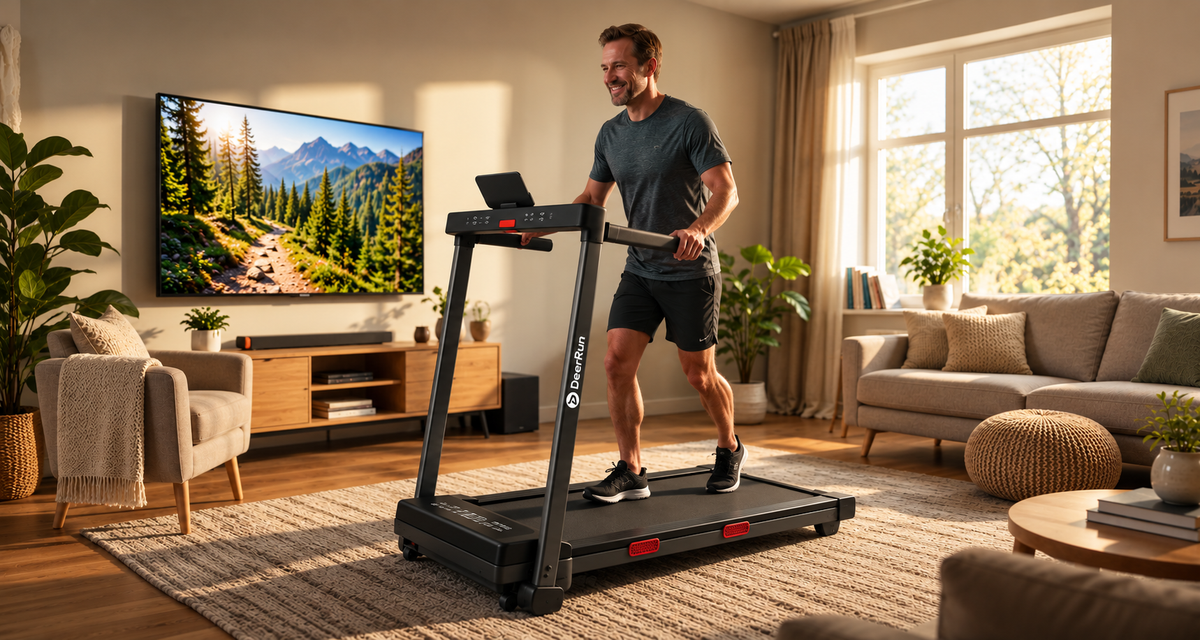


Leave a comment
This site is protected by hCaptcha and the hCaptcha Privacy Policy and Terms of Service apply.