






Word Account: Approx 1,000 words
Reading time: About 5 minutes
When the alarm goes off, immediately getting out of bed, changing clothes, putting on your shoes, and starting to run may seem efficient, but it is not the most ideal way to start a morning run.
From the moment you wake up to the moment you officially start running, leaving a few minutes for hydration, walking, and dynamic warm-ups can help your body gradually transition from a resting state to an active state.
So, the key to a scientific morning run is not “running immediately after waking up,” but how to enter your workout with simple preparation and properly control the intensity of a 30-minute workout.
1. Can You Run Immediately After Waking Up?
After waking up, you can drink some water, walk around for a bit, and then do a few minutes of dynamic warm-ups, such as leg swings, high knees, and ankle movements. Then, start with easy walking and gradually increase your speed.
The whole process does not need to be complicated. 5–10 minutes is enough as a transition before the formal run, allowing your body to gradually enter an active state.
Walk first, then gradually speed up. Gradually increasing the exercise intensity is more suitable as the beginning of a morning running routine than starting with high-speed running immediately after getting out of bed.

2. What Time Should You Start Your Morning Run? Do You Have to Run on an Empty Stomach?
Many people wonder, “Is it best to run after sunrise?” or “Does running on an empty stomach burn more fat?”
In fact, there is no need to set either as a fixed standard.
2.1 Morning Running Time: Prioritize Getting Enough Sleep
There is no single “best morning running time” that works for everyone.
If you consistently shorten your sleep time in order to wake up early and run, the training itself may affect your recovery.
Instead of requiring yourself to run at exactly 6 or 7 a.m., it is more important to focus on:
Getting enough sleep and choosing a workout time that you can stick to over the long term.
2.2 Fasted Morning Running: Not a Must for Fat Loss
For short-duration, low- to moderate-intensity morning runs, some people can complete the workout directly after hydrating.
However, if the workout is longer, the intensity is higher, or you tend to experience significant hunger, dizziness, or weakness when exercising on an empty stomach, there is no need to force yourself to train fasted.
You can have a small amount of easily digestible food before running, such as:
- One banana
- One slice of toast
- A small amount of oatmeal
- A small cup of yogurt
At the same time, you should not start running immediately after eating a large amount of food.
It is especially important to note that exercising on an empty stomach does not mean that it will necessarily lead to better long-term fat loss. A fasted state may affect the proportion of energy sources your body uses during exercise, but long-term changes in body weight and body fat are still related to overall energy intake, exercise volume, and lifestyle.
The goal of a morning run is to complete a consistent workout, not to sacrifice your exercise experience just for the sake of being “fasted.”
3. Is 30 Minutes of Morning Running Enough? The Key Is How You Structure It
If you are building a morning running habit, there is no need to start by running for 60 minutes.
You can use the following 30-minute morning running workout as a reference. The paces in the plan are not fixed standards for everyone. If a certain speed already leaves you noticeably out of breath, you can reduce the speed or use a run-walk combination.
30-Minute Morning Run Structure
Easy walking, around 24:00–20:00 min/mile.
Easy running or a run-walk combination, around 12:00–10:00 min/mile.
Gradually reduce speed and walk easily.
How Can You Judge Your Morning Running Intensity?
The “talk test” can be used as a simple reference for exercise intensity.
If you can still speak relatively complete sentences during exercise, it usually means that your current intensity has not reached a very high level. If you can only say short sentences or a few words before needing to adjust your breathing, it means the exercise intensity has already increased significantly.
As your fitness base improves, you can gradually increase your main workout time, training frequency, or speed instead of increasing all of these indicators at once.
4. Does Morning Running Have to Be Done Outdoors?
Outdoor running can provide more room for movement, but weather, air quality, hot conditions, road visibility, and the time you need to go outside can all affect your morning running plan.
If there is heavy rain, hot weather, air quality that is not suitable for outdoor exercise, or you are extremely short on time in the morning, an indoor treadmill can be an alternative.
For example, the DeerRun Z10 Pro supports a speed range of 0.6–7.5 MPH and 12 levels of automatic incline adjustment, allowing you to adjust speed and incline according to different stages of your workout.
30-Minute Indoor Morning Running Plan
Speed: 2.5–3.0 MPH
Incline: 0
Speed: 4.5–5.0 MPH
Incline: Levels 0–2
Speed: 5.0–6.0 MPH
Incline: Levels 0–2
Speed: 4.5–5.0 MPH
Incline: Levels 0–1
Speed: 2.5–3.0 MPH
Incline: 0
The value of a treadmill is not that it makes your morning run “more scientific,” but that it provides a training environment that is not affected by rain, road conditions, or the time needed to go outside, making it easier to maintain a morning running plan that might otherwise be interrupted.

Make Morning Running a Real Habit
A scientific morning run does not mean you have to start running immediately after waking up. It does not mean you have to run on an empty stomach, and there is no fixed morning running time that works for everyone.
A simpler approach is:
Get enough sleep → Hydrate → Warm up → Gradually increase intensity → Complete the main workout → Cool down.
If you are just starting to build the habit, begin with around 30 minutes. If the outdoor weather or environment is not suitable, switch to an indoor workout.
What is truly worth pursuing is not running harder every day, but keeping your training time, exercise intensity, and recovery balanced over the long term.
Ready to Start Your Morning Run?
If you want to complete morning walking, jogging, or running workouts at home, the DeerRun Z10 Pro allows you to control workout intensity more easily through its speed and incline adjustments, while reducing the impact of weather and the time needed to go outside on your morning running plan.
Learn More About DeerRun Z10 Pro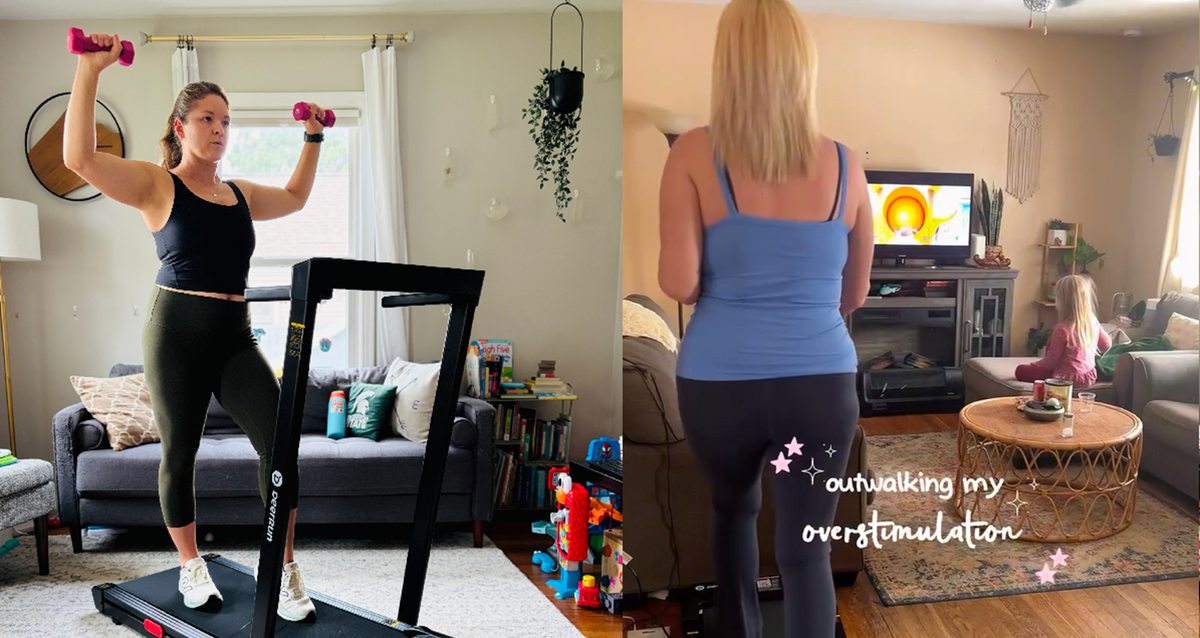


Leave a comment
This site is protected by hCaptcha and the hCaptcha Privacy Policy and Terms of Service apply.