





Word Count: Approximately 850 words Comparison Walking Pad Treadmill
1. What Is the Difference Between a Walking Pad and a Treadmill?
Both can be used for walking, but they differ in speed, running belt design, and workout features.
| Comparison | Walking Pad | Treadmill |
|---|---|---|
| Primary Use | Everyday walking | Walking, brisk walking, and jogging |
| Speed Range | Typically lower | Typically higher |
| Running Belt Design | More compact | Usually wider and longer |
| Storage | Usually slimmer and lighter | Some models feature a foldable design |
If your goal is simply to get more steps in every day, a walking pad is usually enough. If you also want to try incline walking or jogging, a treadmill offers more options.
2. Walking Pads: Make Everyday Movement Easier to Maintain
If your goal is to spend less time sitting rather than add running workouts to your routine, a walking pad may be the better choice.
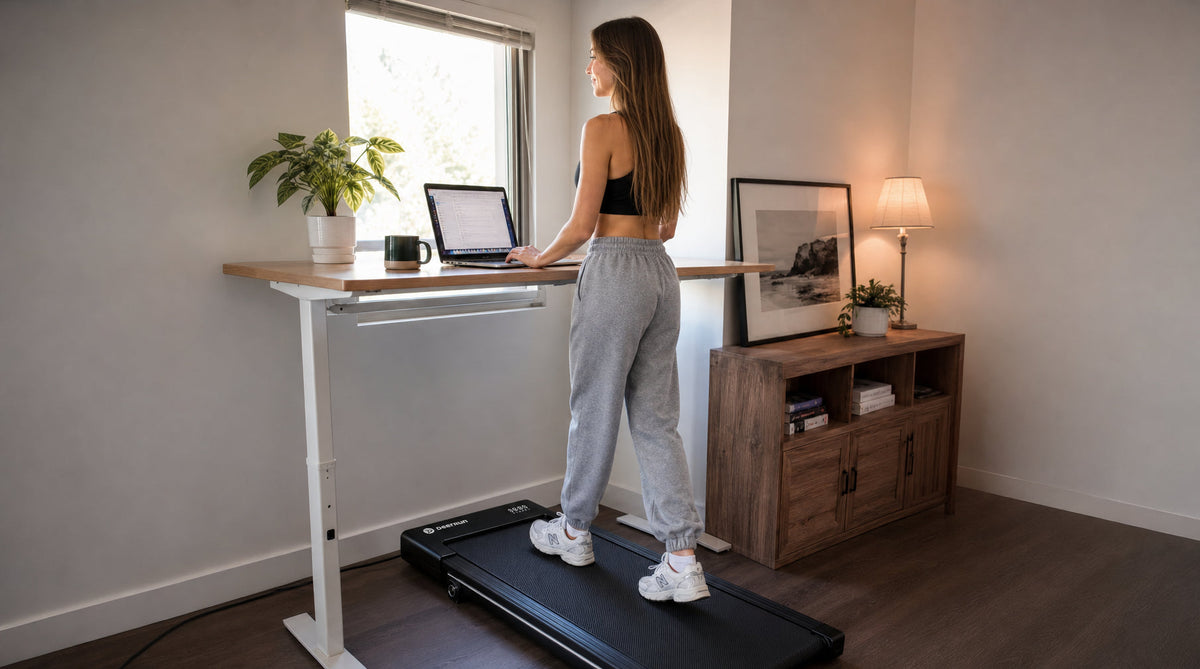
You can place it under your desk or in your living room to fit more movement into work breaks or TV time.
The DeerRun Q2 Urban is a good option for users whose primary activity is everyday walking.
- Speed: 0.6–3.8 mph
- Running Belt: 35.43" × 14.96"
- Incline: 7% manual incline
- Machine Thickness: Approximately 3.94"
- Weight Capacity: 300 lbs

Its compact design and built-in transport wheels make everyday storage easier. The 7% manual incline also gives you an additional walking workout option.
Keep in mind that the 35.43-inch running belt length is better suited to everyday walking. If you have a longer stride or plan to jog, consider a model with a larger running surface.
3. Treadmills: More Workout Options, From Brisk Walking to Jogging
If you want to walk at a faster pace, train on an incline, or jog at home, a treadmill is usually the better choice.
For households with limited space that still want one machine for different workout needs, a foldable 2-in-1 walking and running treadmill is worth considering.
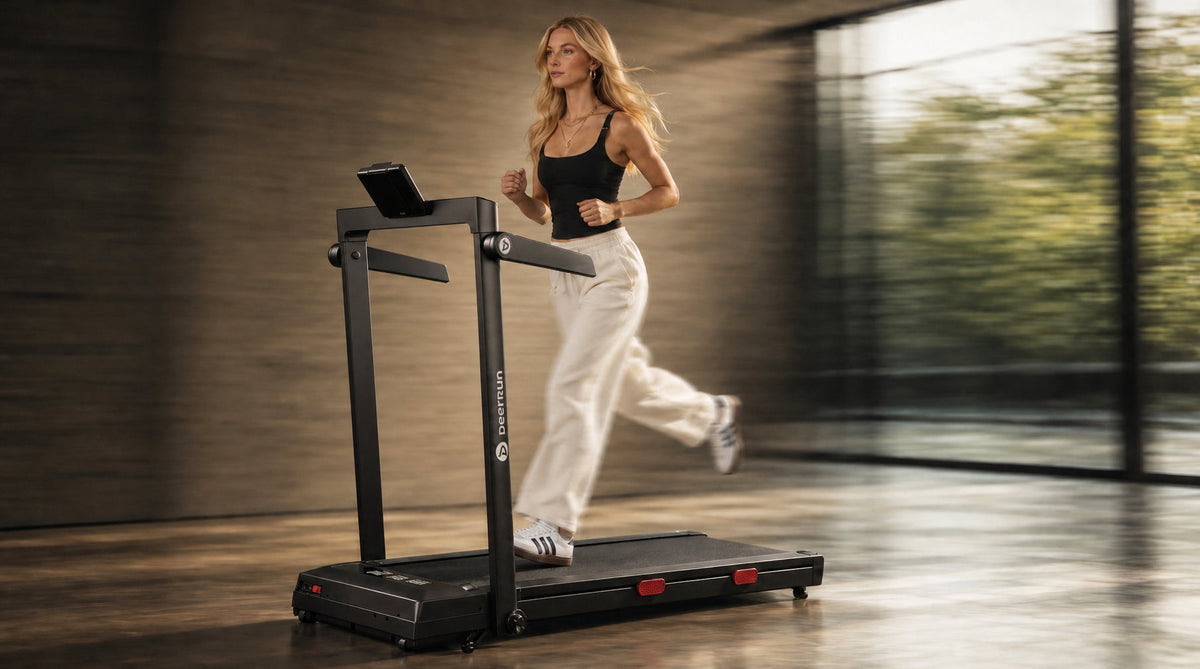
The DeerRun Z10 Pro can be configured for different types of workouts:
- Handrail Down: 0.6–3.8 mph, suitable for everyday walking.
- Handrail Raised: 0.6–7.5 mph, supporting brisk walking and jogging.
- Automatic Incline: Up to 12%, adjustable via the remote control or Bluetooth control options.
- Running Belt: 41.34" × 15.75", providing more room for movement.
- Folded Thickness: Approximately 5.63".
- Weight Capacity: 300 lbs.

The Z10 Pro allows you to adjust the automatic incline during your workout, making it suitable for users who want more variety in their training.
If you mainly plan to jog, you should also consider whether the running belt is suitable for your stride, speed, and workout habits.
4. Before Buying, Check the Running Belt Size, Storage Space, and Household Needs
Is the Running Belt the Right Size?
Your height, stride length, and workout speed can all affect your experience. Don't judge a machine by its appearance alone. Check the length and width of the running belt before purchasing.
Do You Have Enough Space at Home?
Measure the treadmill's dimensions when fully unfolded, the actual space needed for use, and the area where you plan to store it when folded.
Can the Whole Family Use It?
If multiple family members will share the equipment, start by considering everyone's common workout needs. Then choose a configuration that can accommodate those needs rather than simply going for the model with the most features.
5. Frequently Asked Questions About Buying a Walking Pad or Treadmill
Q1: Do You Need a Standing Desk for a Walking Pad, or Can You Use a Regular Desk?
If you want to walk while working, a standing desk or height-adjustable desk is a better option. A standard desk may not be high enough, which can affect your leg movement and typing posture.
Before purchasing, measure the space underneath your desk and make sure the desktop height allows you to work comfortably while standing.
Q2: Will a Walking Pad or Treadmill Bother Downstairs Neighbors in an Apartment?
It can be an issue. Both the sound of the machine running and the vibrations caused by footsteps can travel through the floor.
Walking at a lower speed generally creates less impact than jogging, but the actual noise and vibration depend on the floor structure, flooring material, and condition of the equipment.
To help reduce disturbance, place the machine on a flat, stable surface, use a suitable shock-absorbing mat, and try to avoid high-intensity workouts during quiet hours.
Q3: How Long Should You Use a Walking Pad Each Day? Is Walking Longer Always Better?
Not necessarily. If you're just getting started, try walking for 10–15 minutes a day. Gradually increase your time as you become more comfortable.
You can also split your walking into several shorter sessions throughout the day, gradually working toward a total of 30–60 minutes daily.
The key is to adjust your walking time based on your fitness level and how your body feels. There's no need to aim for long, uninterrupted sessions. If you experience noticeable fatigue or back discomfort, take a break and adjust your usage time.
Choose the Right Workout Companion for Your Home
If your main goal is to spend less time sitting and get more steps into your day, a compact walking pad like the Q2 Urban may cover your basic needs. If you also want to include incline walking and jogging in your routine, a 2-in-1 treadmill like the Z10 Pro offers more flexibility.
Before buying, think about your fitness goals, available space, and long-term usage needs. Rather than choosing the machine with the most features, it's more important to find one you'll actually use.
Explore DeerRun Walking and Running Options
Find the right fit for your daily walks, home workouts, and fitness goals.


Leave a comment
This site is protected by hCaptcha and the hCaptcha Privacy Policy and Terms of Service apply.