





Word count: ~1,000 words
Reading time: ~5 minutes
Working out at home is convenient, but it can easily be interrupted by work and household chores. To stay consistent, you need more than just the right equipment—you need a safe, convenient, and easy-to-start workout space.
A treadmill can eliminate the barriers of going out and commuting. However, if it is inconveniently placed or your workouts are constantly interrupted, it becomes difficult to maintain the habit. How can you arrange your space and reduce distractions so that exercise naturally blends into your daily life?
1. Why Is It Sometimes Harder to Stay Consistent at Home Than at the Gym?
The biggest advantage of home workouts is convenience.
You don't have to spend time commuting, nor do you need to prepare much in advance. Whenever you have a free moment, you can start a simple walk or workout.
But at the same time, working out at home is easily disrupted by other things. For example:
- Work messages constantly interrupting your session
- Household chores and daily tasks eating into your designated workout time
- Exercise equipment being stored in inconvenient locations
- Living rooms, bedrooms, and work areas blending together, making it hard to switch into "workout mode"
This means that home fitness requires not just motivation, but an environment that reduces obstacles. If every workout requires tidying up space, moving equipment, or finding the "perfect time," even strong intentions can give way to the hassle of preparation.
Therefore, the first step in building a home fitness space isn't buying more equipment—it's making exercise easier to start.
2. How to Reduce Distractions During Home Workouts
One of the most common problems with home workouts is having your attention constantly pulled away. You might plan to walk for 20 minutes, only to stop a few minutes in to check your phone, handle work, or do something else.
To reduce these distractions, try the following methods.
2.1 Schedule Your Workout Time in Advance
Rather than waiting for free time to exercise, set a fixed time slot in advance. For example:
- Right after waking up, do a 10-minute easy walk.
- During your lunch break, complete a short treadmill session.
- After finishing work in the evening, use 20 minutes of exercise to help switch gears.
A fixed workout time reduces the daily pressure of making spontaneous decisions.
2.2 Reduce Pre-Workout Preparation
Prepare your shoes, towel, and water bottle in advance. If the treadmill is already in a suitable spot, you won't need to spend much time setting up the environment when you start. When exercise becomes simple and convenient, it's easier to stick with it even on busy days.
2.3 Set Aside Dedicated Time for Exercise
During workouts, temporarily mute unnecessary message notifications. If you enjoy listening to music or podcasts while walking, prepare the content in advance. However, when using a treadmill, always make sure you stay focused enough to avoid distractions that could affect safety.
3. Where Should the Treadmill Go? Choose a Spot That's Truly Right for Working Out
3.1 Choose a Space with Enough Safety Clearance
First, make sure there's enough room around the treadmill. Place the equipment on a flat, stable surface. Try to avoid placing it on carpets to prevent overheating hazards, and leave the safety clearance recommended by the manufacturer. Don't let furniture, cables, or other items block the area around the treadmill.
3.2 Consider Everyday Convenience
If you want to use the treadmill during work breaks, consider placing it near your home office area. If you prefer evening workouts, the living room or another easily accessible space may work better. The key isn't where the treadmill looks best—it's: when you want to exercise, can you start easily?
3.3 Be Mindful of Your Home Environment
If you live with family or roommates, consider whether your workouts will affect others. Try to avoid placing the treadmill where it blocks walkways, and think about the sound and floor vibration during operation. pitpat also features a one-touch beep mute option, allowing you to use the equipment in a quiet environment.

4. Choose Equipment That Fits You and Make Fitness a Lifestyle
Many people assume home fitness requires a dedicated gym room. In reality, exercise can be embedded into your existing daily rhythm.
During work breaks, you can use an under-desk walking pad for fragmented movement—the DeerRun Q2 Urban is well-suited for this kind of light use.
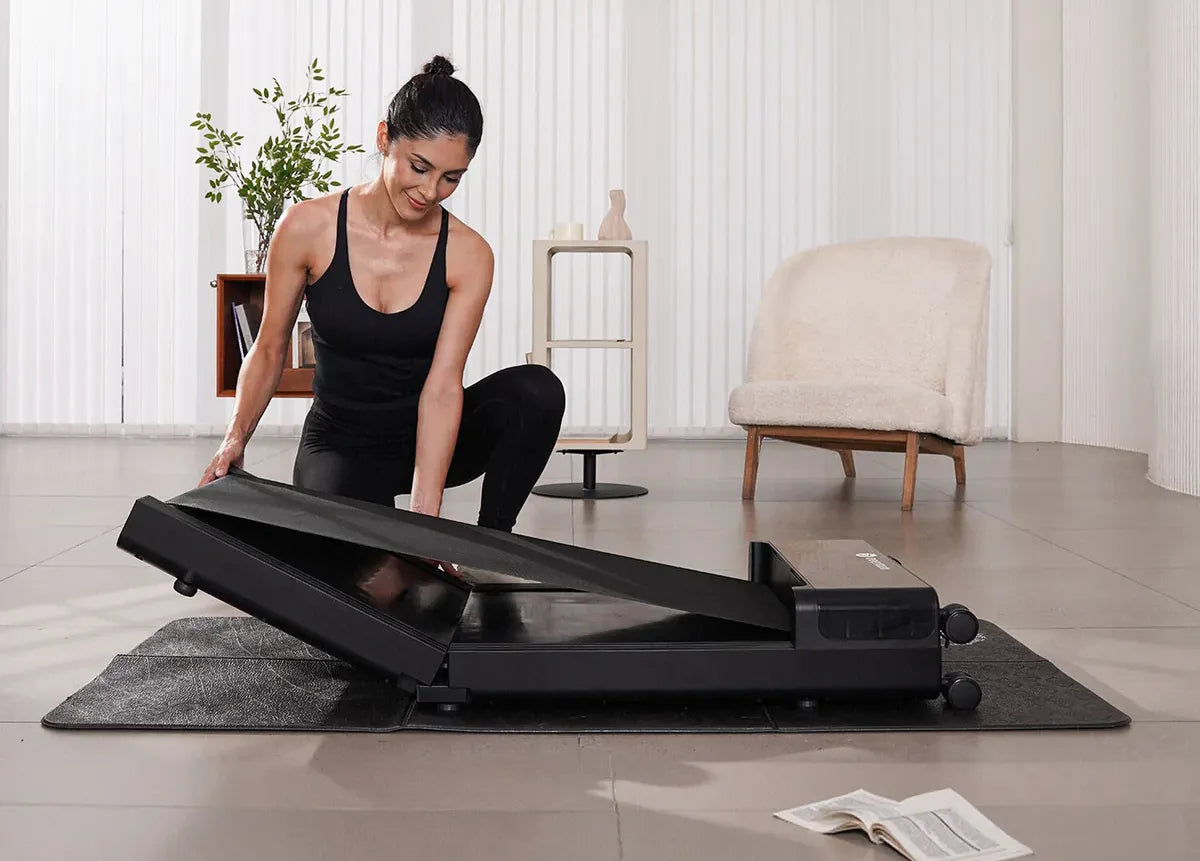
When relaxing and watching TV in the evening, you can walk at a gentle pace at the same time. When weather or schedule prevents you from going outside, a home treadmill is a flexible alternative—families with limited space can consider a storage-friendly option like the DeerRun Z20.
When choosing equipment, don't focus solely on the number of features. Prioritize your home's space, your fitness goals, ease of operation, and how it feels to use. Good fitness equipment adapts to your life—not the other way around.

5. Don't Chase a Perfect Home Gym—Focus on Starting Easily
You don't need a dedicated, professional workout room, and you don't need high-intensity training every time.
A safe, convenient little corner at home is enough. Try starting with just 10 minutes of walking a day and build the habit gradually.
When the barrier to exercise is low and it blends into daily life, consistency no longer relies on bursts of enthusiasm.
Build your own home fitness space, starting with a simple daily walk, and let exercise naturally become part of your life.
Make Movement Part of Your Everyday Routine
Build a consistent fitness routine with equipment that fits your home and lifestyle.
Explore DeerRun Treadmills →


Leave a comment
All comments are moderated before being published.
This site is protected by hCaptcha and the hCaptcha Privacy Policy and Terms of Service apply.