





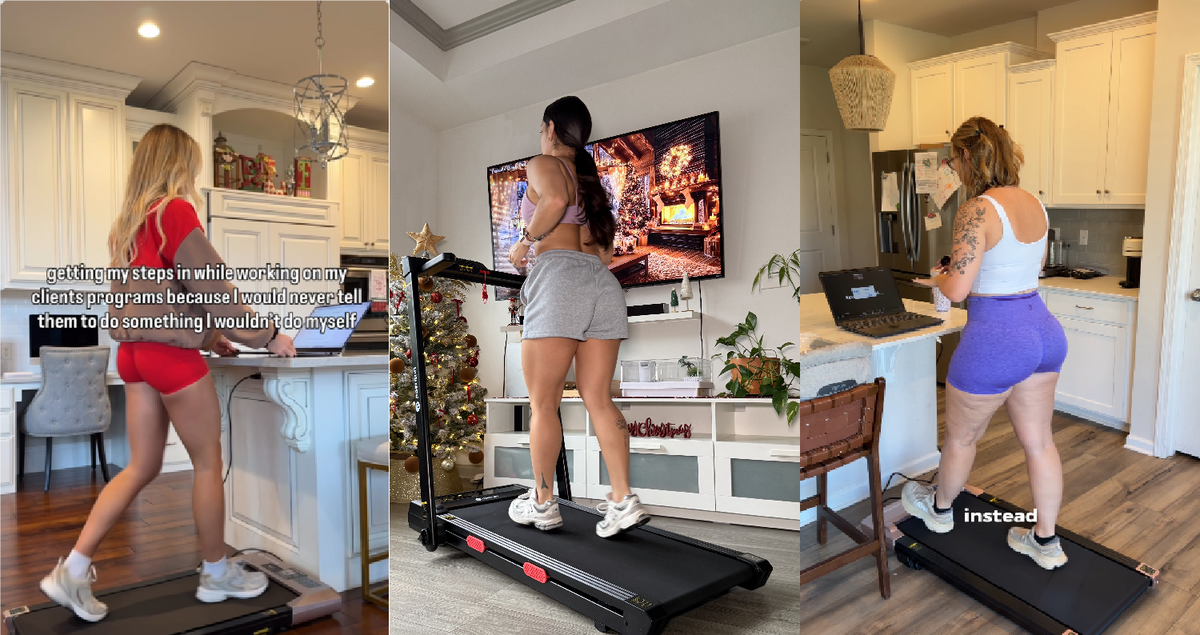
Working from home makes it easy to sit for hours without realizing it.
You want to move more, but you also don’t want to set aside 30 minutes just for exercise and disrupt your work schedule.
The good news is that work and exercise don’t always have to compete for your time.
Phone calls, suitable online meetings, short breaks between tasks, and lunch breaks can all become opportunities to add more walking to your day.
The goal isn’t to walk while working all day. It’s to find moments that don’t affect your work quality and let walking naturally become part of your workday.
1. Can You Walk While Working From Home?
Yes, but not every type of work is suitable for walking.
If your work mainly involves listening, speaking, or thinking, such as phone calls, certain online meetings, or brainstorming sessions, you can try walking at a low speed.
However, if you need to stare at your computer for long periods, type quickly, process data, or complete tasks that require a high level of concentration, sitting down is usually the better option.
A simple rule to remember:
Let walking fit around your work—not the other way around.
When walking doesn’t interfere with your focus, communication, or productivity, it can become a practical part of your workday.

2. How Can You Add More Walking to Your Workday?
You don’t need to set aside 30 minutes all at once.
Breaking walking into shorter sessions throughout the day can actually make it easier to stick with.
The goal isn’t to hit one specific step count. It’s to break up long periods of sitting and create more opportunities to move throughout your workday.
3. What Type of Treadmill Works Best for Walking During Your Workday?
If you want walking to become a regular part of your workday, the equipment should fit this type of use.
Instead of focusing only on maximum speed, it’s more important to consider:
3.1 Mainly Want to Walk While Working? What Should You Look For?
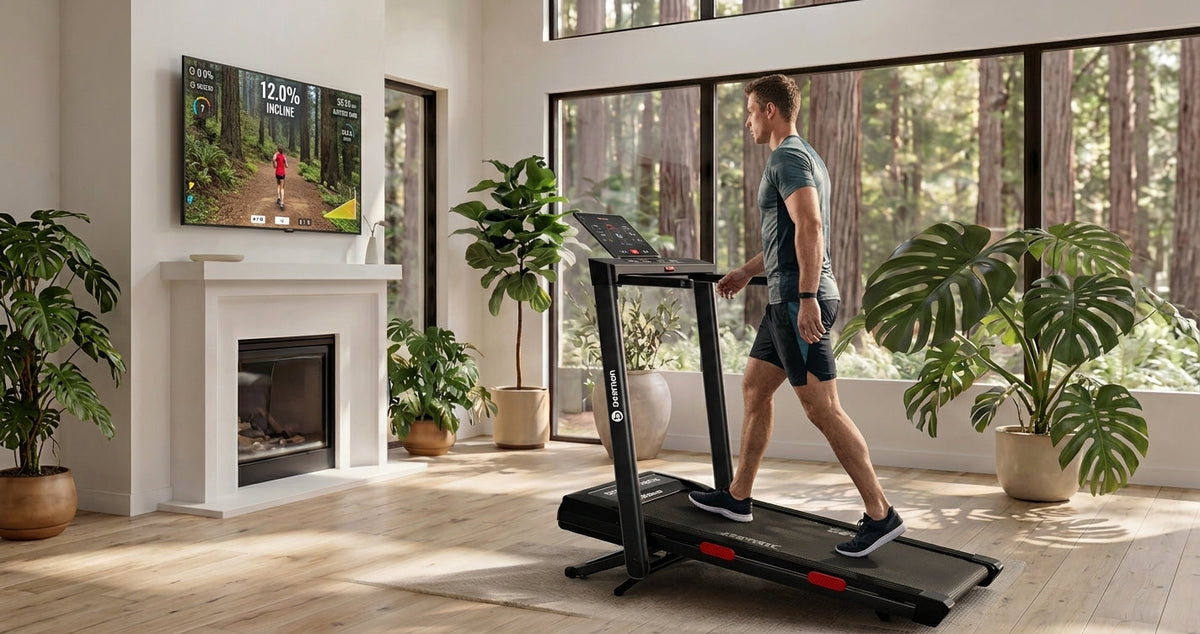
If your main needs are walking at your desk, taking walking meetings, or staying active between tasks, the DeerRun Q2 Urban is well suited to everyday, low-intensity use.
It offers a speed range of 0.6–3.8 MPH, allowing you to adjust your walking speed based on different work situations. It also features a 7% manual incline, giving you another way to adjust your workout if you want to change your routine later.
For a WFH environment, noise matters too.
The DeerRun Q2 Urbanuses a low-noise brushless motor with operating noise below 45 dB, making it a better fit for a home office environment.
Its overall dimensions are 42.62 × 19.69 × 3.94 inches, with a footprint of approximately 5.83 sq. ft. That’s roughly comparable to the floor space occupied by a small office desk.
Its 3.94-inch height also gives it a slim profile, making it easier to store under a desk or beside a sofa when it’s not in use.
In addition, the PitPat App allows you to track daily activity and participate in gamified workouts, community challenges, and club activities.
If you want your daily walking to be more than simply completing a set amount of time, these features can add more interaction and a greater sense of purpose.
3.2 What If You Want to Run Too?
If you want one treadmill to handle everyday walking during work hours as well as jogging, running, or incline workouts after work, consider a model that covers a wider range of training intensities.
The DeerRun Z10 Pro offers a speed range of 0.6–7.5 MPH and 12 levels of automatic incline.
It can take you from everyday walking to brisk walking, jogging, and running. When you want to change the workout difficulty, you can also adjust the incline instead of simply increasing your speed.
For people who want to combine more movement during the workday with dedicated workouts after work, a wider speed and incline range can offer more flexibility.

Make Work and Movement Work Together
Schedule walking during moments when it won’t affect the quality of your work. Phone calls, suitable meetings, and short breaks between tasks can all be opportunities for low-speed walking.
Take a proper walk during lunch, then save more structured training for after work.
When you break your day into smaller opportunities to move, you don’t need to complete one long workout to reduce the amount of time you spend sitting.
The goal of getting more steps while working from home isn’t to walk through your entire workday. It’s to add movement to a day that would otherwise be mostly sedentary.
Want to Make Walking Part of Your Workday?
You don’t need to start with a big goal.
One phone call, one suitable meeting, one break between tasks, or even just ten minutes after lunch can become an opportunity to move more.
Choose equipment that fits the way you work and the way you exercise, so movement doesn’t have to compete with your work schedule.
Explore DeerRun Treadmills →```


Leave a comment
This site is protected by hCaptcha and the hCaptcha Privacy Policy and Terms of Service apply.