





Word Account: Approx. 1000 Words | Read Time: About 5 mins
When people start trying to manage their weight, one of the first things they often do is cut out sweets: no cake, no ice cream, and no dessert after dinner.
But managing your weight doesn’t mean you can never eat something sweet again.
Having dessert occasionally won’t determine what happens to your weight months from now. What matters more is how often you eat sweets, how much you have at a time, and how consistent the rest of your diet and activity habits are.
Having dessert once or twice a week is very different from adding sweet drinks, cookies, and cake on top of your regular meals every day.
1. Do You Have to Cut Out Every Sweet? What You Can Maintain Matters More
“Starting today, I’m giving up sweets completely” sounds like a clear rule.
But birthdays, dinners with friends, vacations, and holidays make it difficult to avoid sweets forever.
Instead of asking how strictly you can eliminate them, a better question is:
Can you maintain this way of eating for months—or even longer?
A 2005 randomized trial published in JAMA compared four different diets in 160 adults. After one year, weight change was more strongly associated with how well participants adhered to their diets than simply which diet they had been assigned to.
A strict rule you can follow for only two weeks is unlikely to replace habits you can maintain for months or years.
2. Ate a Slice of Cake? It Doesn’t Mean You’ve “Ruined Everything”
Sweets provide calories, so eating large amounts frequently over time is certainly worth paying attention to. But one dessert by itself is unlikely to determine your long-term weight trend.
A 2013 systematic review and meta-analysis published in The BMJ examined evidence from randomized controlled trials and prospective cohort studies.
The researchers found that, when total food intake wasn’t strictly controlled, reducing sugar intake was associated with weight loss, while increasing sugar intake was associated with weight gain. However, when sugar was replaced with other carbohydrates providing the same amount of energy, there was no significant change in body weight.
In everyday life, the distinction is easier to understand:
Having ice cream with friends on the weekend is not the same eating pattern as adding sugary drinks, cookies, and cake to your usual diet every day.
What matters is how often the pattern repeats and whether sweets are consistently being added on top of your normal food intake.
3. Should You Cut Back on Sweets? Look at Frequency, Portion Size, and When You Eat Them
Not all sweet-eating habits look the same.
Having one serving of ice cream occasionally during the week is very different from relying on cookies or sweet drinks every afternoon.
Portion size matters too.
Sitting down and having one dessert is different from watching TV with a large package of snacks beside you and repeatedly reaching for more without really noticing how much you’ve eaten.
It’s also worth paying attention to how hungry you are when you reach for sweets.
If lunch was too small and you’re already very hungry by mid-afternoon, it may be much easier to eat more sweets than you originally intended.
So instead of immediately telling yourself that sweets are completely off-limits, look at one typical week:
Check your usual pattern:
- How many times did you eat something sweet?
- How much did you have each time?
- Was it dessert after a regular meal?
- Or was it something you grabbed because you were already extremely hungry?
Those patterns tell you more than a simple “yes or no” rule about sugar.
4. Want Dessert? You Don’t Need to Skip a Meal First—or “Make Up for It” Afterwards
Eating less at lunch because you know you’re having cake that evening can disrupt your normal eating rhythm.
The same goes for having dessert and then skipping a meal the next day to “make up for it.”
A simpler approach is to keep your regular meals consistent. If you want dessert, have a portion, and then return to your normal eating routine at the next meal.
Exercise works the same way.
If you were already planning to walk for 20 minutes, do your normal 20-minute walk. You don’t need to turn it into a high-intensity workout just because you had dessert that afternoon.
Exercise can help you maintain a more active lifestyle, but it doesn’t need to become a way to “burn off” a slice of cake.

5. Instead of Repeatedly Quitting Sweets, Make Weekly Exercise More Consistent
If you spend most of the day sitting, cutting out sweets alone doesn’t necessarily change the rest of your lifestyle very much.
A more practical approach is to make walking, jogging, or incline training a consistent part of your week.
| Workout | Speed | Incline | Time |
|---|---|---|---|
| Easy Walk | 2.0–3.0 MPH | 0–3% | 20–30 min |
| Jogging | 4.0–5.0 MPH | 0–2% | 20–30 min |
| Incline Walk | 2.5–3.2 MPH | 5–8% | 20–25 min |
Want something easy? Walk.
Want a little more training intensity? Try jogging.
Don’t want to keep increasing your speed? Incline can add another type of challenge.
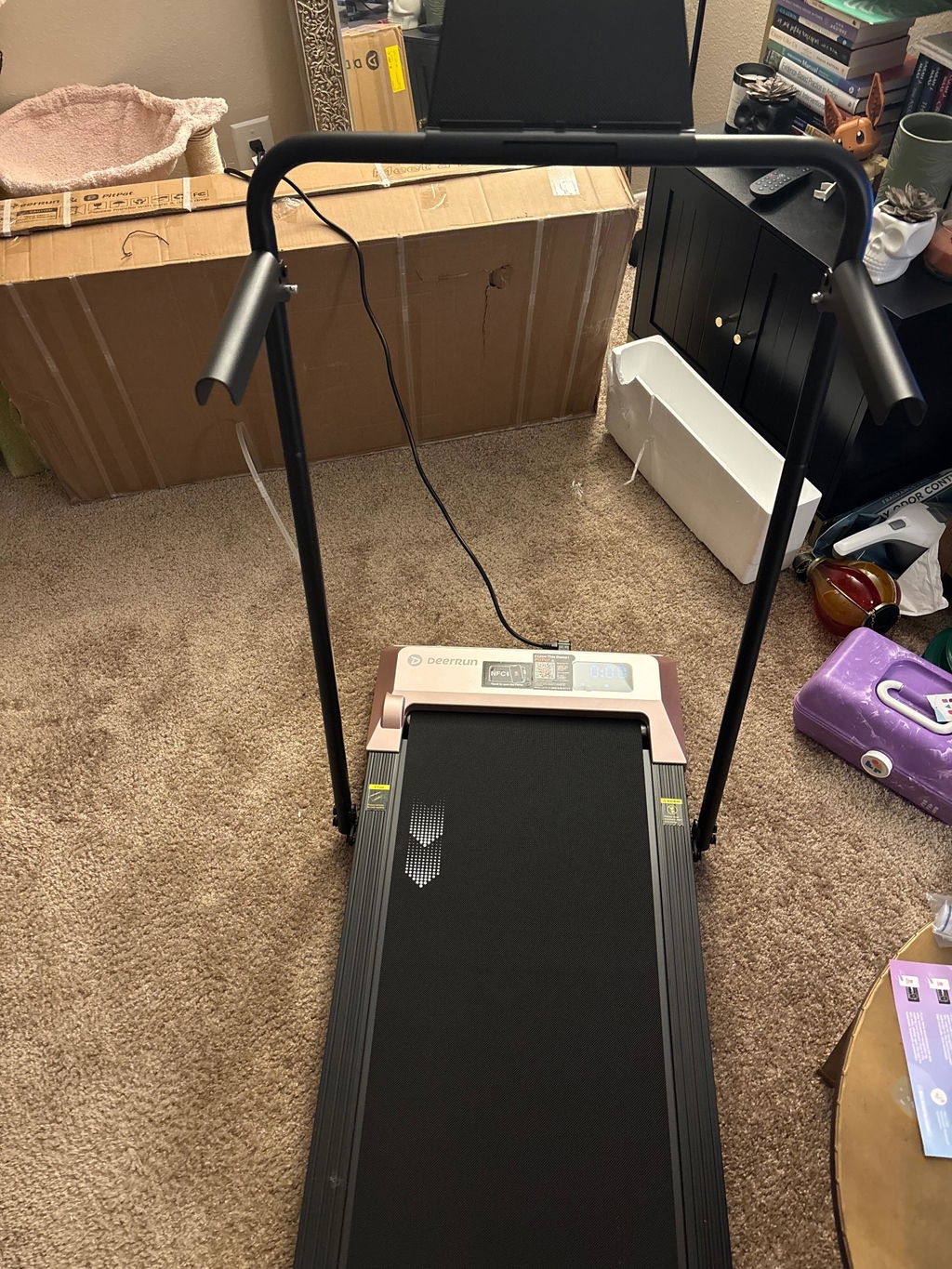
Different DeerRun treadmills can support everything from low-speed walking and everyday jogging to incline training, so your workouts don’t have to look exactly the same every day.
When paired with PitPat, AI Coach can provide suggestions based on your training data, while online challenges, virtual courses, and interactive features can add more feedback and participation to at-home workouts.
Seeing your workout history and completing different training goals can also make it easier to keep moving consistently instead of relying only on short bursts of motivation.

6. The Habit Worth Keeping Isn’t “Never Eat Sweets Again”
Weight management doesn’t require turning sweets into a permanent forbidden food.
What’s more useful to maintain is:
- Eat regular, balanced meals.
- Pay attention to how often you eat sweets and your portion sizes.
- After dessert, return to your normal eating routine at the next meal.
- Don’t skip meals or suddenly add extra workouts to compensate.
- Maintain consistent walking, running, or other physical activity throughout the week.
Long-term results are rarely determined by one dessert.
They’re shaped much more by the eating and activity habits you repeat over weeks and months.
Instead of repeatedly asking, “Am I allowed to eat this?” focus on building a routine you can still see yourself following several months from now.
Make Regular Movement Part of Your Routine—not a Punishment
Find a rhythm that works for you, and gradually make walking, running, and regular activity part of your week.
Explore DeerRun All Treadmills →



Leave a comment
This site is protected by hCaptcha and the hCaptcha Privacy Policy and Terms of Service apply.