





Word Count: Approx. 1,400 words | Reading Time: About 7 minutes
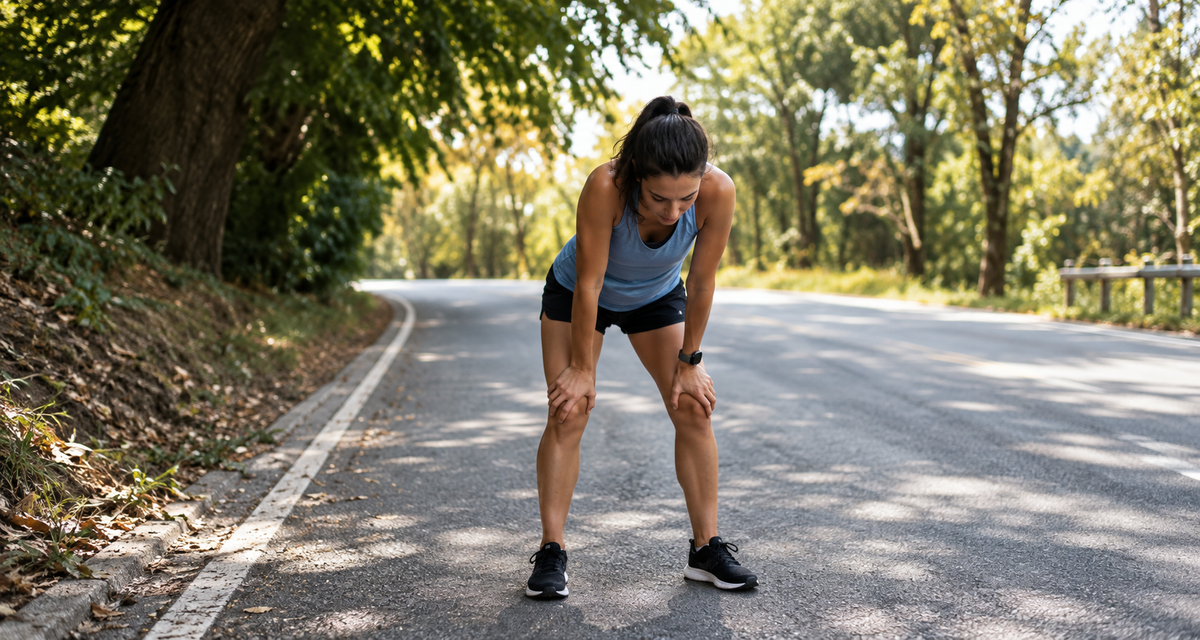
You felt pretty good when you finished your run yesterday, but when you get out of bed the next morning, your legs are suddenly sore. They feel a little tight going downstairs, but after walking a few steps, you feel like you can still move.
That’s when the question usually comes up: Should you still run today?
Sore legs don’t automatically mean you need complete rest, but they also don’t mean you should train as usual. Start by checking three signs: Has the soreness affected your walking or ability to go up and down stairs? Has the discomfort changed the way you move? Is it gradually improving or becoming more noticeable?
If the soreness is mild and you can walk and move normally, you can switch that day’s workout to easy walking. If it’s already affecting your movement, pause running and reduce the intensity. If you experience sharp pain, noticeable swelling, persistent pain on one side, or symptoms that are getting worse, don’t treat it as ordinary post-workout soreness.
1. Check Your Walking
Has the soreness affected your walking or ability to go up and down stairs?
2. Check Your Movement
Has the discomfort changed the way you move?
3. Check the Trend
Is it gradually improving or becoming more noticeable?
1. Can You Keep Running If Your Legs Are Sore the Next Day?
You can stay active with mild soreness, but you don’t need to immediately repeat the same training intensity the next day.
If your legs only feel slightly tight or sore and normal walking or going up and down stairs isn’t noticeably affected, you can replace your planned run with a short, easy walk.
But if going downstairs is already noticeably uncomfortable, or you’ve started changing your stride when you walk, don’t continue running for now.
The real question isn’t simply “Does it hurt?” It’s “Are you still moving naturally?”
When your body starts changing the way you move to avoid discomfort, what would normally be a regular run has already turned into compensatory movement. Cleveland Clinic notes that continuing to overtrain before your muscles have recovered may lead to compensation, shifting more stress to other parts of the body.
So before deciding how to train the next day, walk a few steps, go up and down some stairs, and try a few of your usual warm-up movements. If your movement still feels natural, consider some easy activity. If your movement has already changed, reduce the load.

2. Why Are You Sore the Next Day? More Soreness Doesn’t Mean a Better Workout
Post-workout soreness can happen, but it isn’t a scorecard for whether your workout was effective.
Soreness that gradually develops after a workout is commonly known as DOMS (Delayed Onset Muscle Soreness).
DOMS usually doesn’t appear immediately after exercise. Instead, it tends to develop gradually 1–3 days after a high-intensity or unfamiliar workout. That’s why some people feel fine right after a run but notice much more soreness on the second or even third day.
For example, if you increase your running volume for the first time, suddenly increase the incline, or complete a more challenging workout than usual, feeling sore the next day isn’t unusual.
But that doesn’t mean:
No soreness yesterday = the workout didn’t work;
more soreness today = the workout was more effective.
Cleveland Clinic notes that a workout can still be effective even if it doesn’t cause DOMS.
So if your legs are sore the next day, you don’t need to use a harder workout to “prove” that yesterday’s training worked. And if you aren’t sore at all, there’s no need to immediately increase the workload.
3. How Should You Train the Next Day? Adjust Based on These 3 Situations
3.1 You Have Mild Soreness, but Walking and Movement Feel Normal
Switching that day’s workout to 10–20 minutes of easy walking is enough.
The goal that day isn’t to complete another hard workout. It’s to bring the intensity down significantly.
If you ran on the Z10 Pro the day before, you can use its 0.6–7.5 MPH speed range to switch directly to low-speed walking the next day. Keep the pace comfortable, don’t chase a high incline, and don’t keep increasing the speed just to “walk the soreness out.”
Cleveland Clinic states that normal daily activity can usually continue during DOMS, but high-intensity exercise involving the same muscles should not be repeated immediately.
If you don’t feel worse after walking, simply keep the activity easy.
3.2 The Soreness Is Noticeable and Running No Longer Feels Natural
Pause running and keep the day’s activity shorter and easier.
If you can still walk normally but going up or down stairs causes noticeable soreness, or if your legs feel tight and your stride starts to change as soon as you try to run, there’s no need to stick to your original plan.
You can continue normal daily movement, but reduce your speed, incline, and workout duration.
What a recovery day really needs is a lower training load—not a different way to complete the same level of intensity.
3.3 You Have Sharp Pain, Noticeable Swelling, or Symptoms That Keep Getting Worse
Stop and don’t continue treating it like ordinary DOMS.
Normal post-workout soreness should gradually improve over time. Cleveland Clinic recommends seeking evaluation from a healthcare professional if the pain is sharp and persistent, there is severe swelling, movement is significantly affected, or the symptoms have not improved after a week.
The point isn’t to diagnose the exact injury yourself. It’s to avoid continuing to push through abnormal pain.
4. When Can You Return to Your Normal Running Routine?
When walking, going up and down stairs, and warm-up movements all feel natural again—and easy activity doesn’t noticeably worsen the discomfort—you can gradually return to running.
Don’t jump straight back to yesterday’s speed and incline just because you feel “a little better today.”
You can return in this order:
Easy Walking → Easy Jogging → Normal Running → Incline or Higher-Intensity Training
For example, start with just 10–20 minutes of walking. If everything feels normal, add a short period of easy jogging next time. Once your running movement feels natural again, gradually return to your usual training.
The Z10 Pro supports up to 12% Auto Incline, but if your legs were noticeably sore after your previous high-incline workout, your first session back doesn’t need to return immediately to the same incline. Start flat or at a lower incline, then gradually build back up.
Recovery isn’t about jumping straight back to your previous intensity. It’s about reconnecting with your training one step at a time.

5. Very Sore After Almost Every Run? Don’t Increase Too Many Things at Once
If you’re noticeably sore after almost every workout, check whether you’re changing too many training variables at the same time.
The easiest things to increase all at once are:
The American College of Sports Medicine (ACSM) notes that a new training program should increase workload gradually, giving muscles time to adapt to the new stimulus, which can help reduce the severity of DOMS.
In practice, you can keep it simple:
Only make one significant increase at a time.
If you increase your workout duration this week, keep your usual speed and incline for now. Once you’ve adapted, then consider adjusting the incline or speed.
This not only makes your training load easier to manage, but also makes it easier to identify which change is causing your body to need more recovery time.
Conclusion | Sore Legs the Next Day? Check These 3 Signs Before Deciding How to Train
If your legs are sore the day after a run, you don’t have to choose only between “run as usual” and “do nothing.”
First, check:
① Can you walk and use the stairs normally?
② Has the way you move changed?
③ Is the discomfort improving or getting worse?
If the soreness is mild and your movement is normal, switch that day’s workout to easy walking. If the soreness is already affecting your movement, pause running and reduce your training load. If you have sharp pain, noticeable swelling, or symptoms that continue to worsen, don’t keep pushing through it.
How you train the next day should follow your recovery—not simply repeat yesterday’s training plan.
Let Your Training Intensity Match How You Feel
Use the Z10 Pro to adjust between easy walking, running, and incline training for different recovery days.
Explore DeerRun Z10 Pro →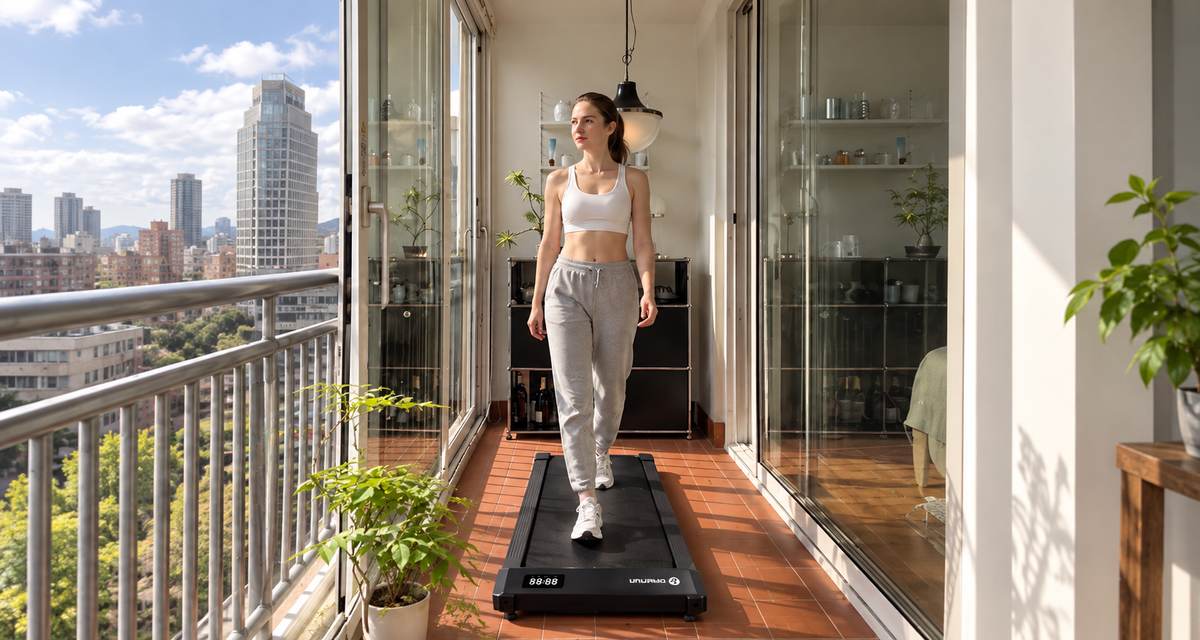


Leave a comment
This site is protected by hCaptcha and the hCaptcha Privacy Policy and Terms of Service apply.