





Word Count: Approx 1,100 words | Reading Time: About 5 minutes
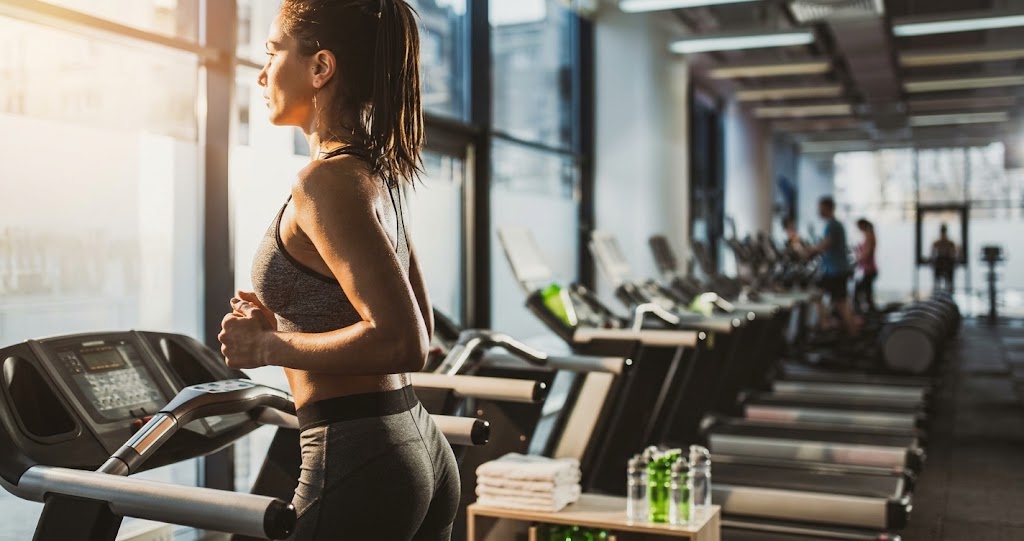
Does sweating a lot during exercise really mean that your workout was especially effective?
Many people take “sweating a lot” as proof of workout effectiveness: the more noticeably soaked their clothes are, the more it seems to mean they burned more calories and had a better workout.
But in reality, how much you sweat does not directly indicate how effective your workout is.
Sweating is first and foremost one of the ways your body regulates its temperature. Your environment, exercise intensity, and individual differences can all affect how much you sweat. So, if two people exercise for 30 minutes, one may be drenched in sweat while the other barely sweats. That does not mean the former necessarily had a better workout.
So, why do some people sweat more easily than others? And what should you pay attention to when you sweat heavily?
1. Does Sweating Profusely Mean You Had a Good Workout? First, Understand What Sweat Really Means
1.1 Sweating Is Actually Your Body’s Way of Cooling Itself Down
When you exercise, your muscles produce more heat. To maintain a normal body temperature, your body helps dissipate heat through blood flow to the skin and sweating. When sweat evaporates, it takes away some of that heat. The CDC (Centers for Disease Control and Prevention) also points out that sweating is an important way for the human body to regulate its temperature.
So, sweat reflects that your body is cooling itself down, rather than how effective your workout is.
For example, two people may exercise on a treadmill for 30 minutes. One person may sweat heavily in a hot, stuffy room, while another may sweat only a little in a cool, well-ventilated environment. This does not directly indicate who had a more effective workout.
1.2 Why Do Some People Sweat More Easily?
Temperature, humidity, clothing, exercise intensity, and individual physical conditions can all affect how much you sweat.
As exercise intensity increases, the body generally produces more heat, which may lead to more sweating. However, everyone’s sweating response is different, so there is no need to compare your sweat levels with someone else’s.
Sweating more does not mean you had a better workout, and sweating less does not mean your workout had no effect.
2. Does Sweating More Mean Your Body Is Losing More?
2.1 Sweat Contains More Than Just Water
Sweat is primarily made up of water, while also containing electrolytes such as sodium and chloride. The longer and more intensely you exercise, or the hotter the environment, the more noticeable the loss of water and electrolytes may become. The CDC points out that heavy sweating can lead to fluid loss along with the loss of salt.
So, normal sweating is not a bad thing.
What you really need to pay attention to is: after heavy sweating, has your body replenished the fluids it has lost?
2.2 Why Shouldn’t You Ignore Hydration After Heavy Sweating?
If you sweat heavily for a long time without replenishing fluids, you may experience dehydration, dizziness, fatigue, or muscle cramps. These risks can also increase when exercising in hot environments. The CDC recommends stopping activity and moving to a cooler environment if you feel weak or dizzy during exercise.
For ordinary, short-duration exercise, regular water intake is usually enough to meet your hydration needs. If exercise lasts for several hours and involves heavy sweating, you need to pay more attention to replenishing both fluids and electrolytes.
So, exercise is not about “the more you sweat, the better,” and you should never intentionally increase your workout intensity just to sweat more.

💧 Want to Know What You Should Drink After Exercise?
Sweating a lot does not necessarily mean you need to drink an electrolyte beverage right away; but drinking only water may not be suitable for every type of exercise.
Want to know how to hydrate based on exercise duration, intensity, and how much you sweat?
Read the Hydration Guide →3. If You Don’t Look at Sweat Levels, How Else Can You Judge Workout Effectiveness?
3.1 What You Should Really Pay Attention to Is Exercise Intensity
Heart rate, breathing, and perceived exertion can all help you assess exercise intensity.
The CDC recommends using the “talk test” to assess aerobic exercise intensity: at moderate intensity, you can usually still talk, but you cannot sing comfortably; during vigorous-intensity exercise, you can often only say a few words before needing to stop and catch your breath.
3.2 A Workout You Can Stick With Is More Meaningful
Pushing yourself until you are drenched in sweat once does not necessarily provide more value than completing several moderate workouts consistently.
What is really worth pursuing is:
Appropriate intensity + consistent frequency + something you can maintain over the long term.
So, you do not need to keep increasing your speed or incline simply to “sweat more.”
4. How Can You Better Control Your Workout Intensity?
4.1 How Should You Train at an Easy, Moderate, or Challenging Level?
If you use a treadmill for training, you can gradually adjust the challenge through speed and incline, rather than treating “how much you sweat” as your workout goal.
The DeerRun Z10 Pro is suitable for walking, incline walking, and running workouts. In the unfolded position, it supports 1–12 km/h (approximately 0.6–7.5 MPH), while in the folded position, it supports 1–6 km/h (approximately 0.6–3.7 MPH), allowing you to adjust the speed according to your fitness level.
For example, you can use the following training approach as a reference:
Speed: 3–5 km/h (approximately 1.9–3.1 MPH)
Incline: 0–3%
Focusing mainly on comfortable walking.
Speed: 5–7 km/h (approximately 3.1–4.3 MPH)
Incline: 3–6%
Increasing workout intensity by raising the speed or incline.
Speed: 7–10 km/h (approximately 4.3–6.2 MPH)
Incline: 6–10%
Suitable for people who already have some exercise experience.
These are only reference ranges and do not mean that higher speed or a steeper incline is always more effective. If increasing the intensity has already noticeably affected your movement, breathing, or physical condition, there is no need to push yourself further.

4.2 How Can PitPat AI Coach Help Arrange Your Workouts?
If you are unsure how to structure each workout, there is also no need to rely solely on “how much you sweat” to judge workout effectiveness.
PitPat AI Coach can serve as an assistant during your training process, providing corresponding workout suggestions based on your training goals and exercise situation, helping you arrange your workouts in a more structured way.
Instead of watching your sweat to judge workout effectiveness, it is more worthwhile to focus on:
What workout did you complete today? Was the intensity appropriate? How should you adjust it next time?
This way, your focus shifts away from “how much did I sweat today?” and toward whether your workout is truly suitable for your current condition.
5. Stop Using Sweat to “Grade” Your Workout
Sweating is simply one of the ways your body regulates its temperature.
Some people sweat heavily after 30 minutes of exercise, while others only sweat slightly after the same 30 minutes. This alone cannot determine whose workout was more effective.
What really matters is exercise intensity, duration, workout consistency, and your physical condition.
So, next time you exercise, try paying less attention to “how much you sweated today” and more attention to whether you completed an appropriate workout and whether you can keep doing it consistently.
A good workout is not about making you sweat the most, but about finding an intensity that works for you.
Find the Right Workout Intensity for You
The effectiveness of exercise has never been measured by how much you sweat.
Rather than chasing a sweat-soaked workout, it is more important to find the right speed, incline, and workout pace for you, so that exercise can truly become a habit you can maintain over the long term.
Whether you want to start with easy walking or gradually increase incline and running workouts, DeerRun Z10 Pro can help you incorporate exercise into your daily routine.
Start Exercising Smarter with the DeerRun Z10 Pro →
Find the Right Workout Intensity for You
Choose the right speed and incline for your workout and build a routine you can maintain over time.
Shop DeerRun Z10 Pro →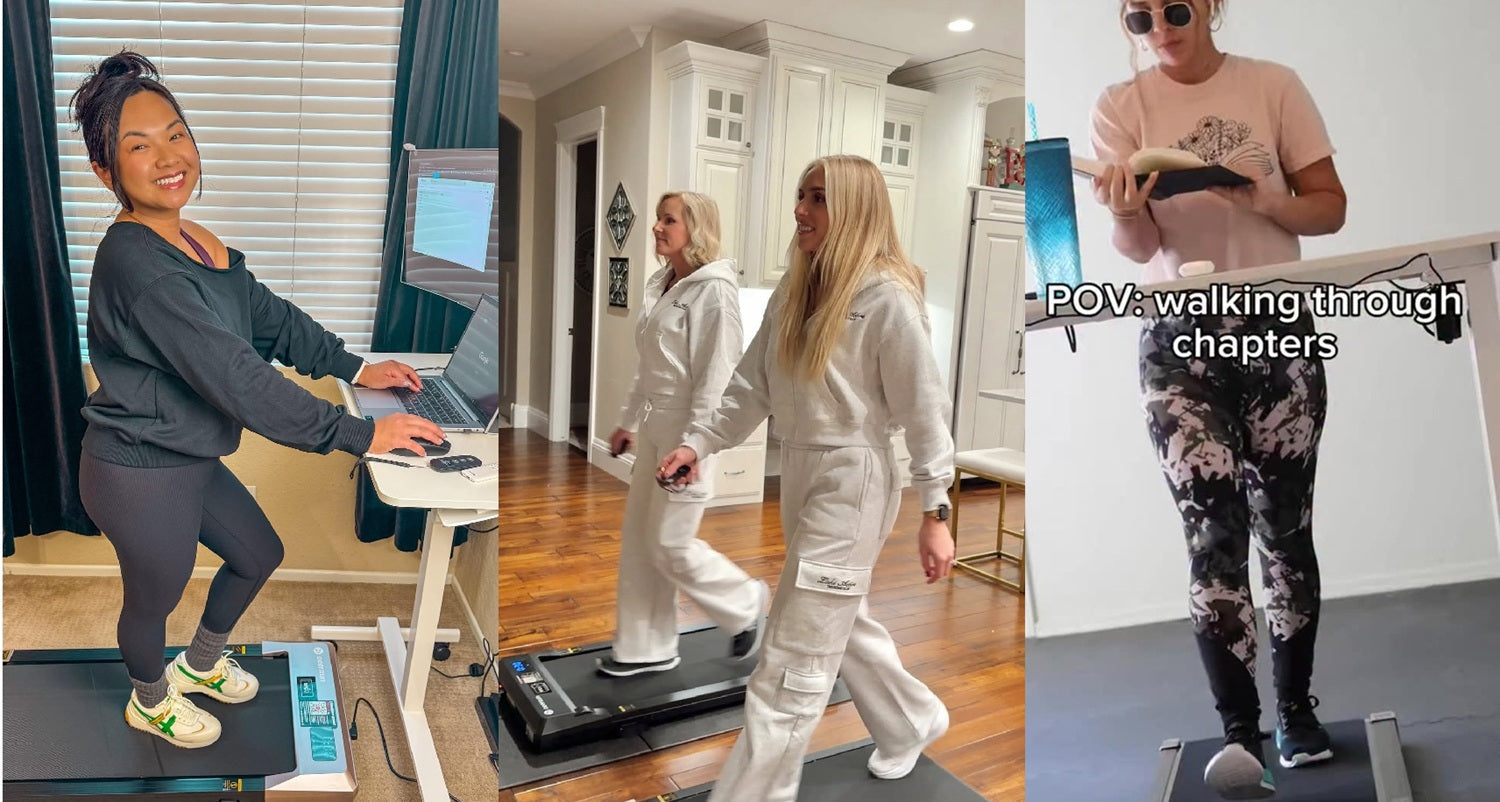


Leave a comment
This site is protected by hCaptcha and the hCaptcha Privacy Policy and Terms of Service apply.