





Word Count: Approx. 950 words
Reading Time: About 5 minutes
Starting to run often feels easier than it actually is.
You put on your shoes, start moving, and naturally try to pick up the pace. After a few runs, you may start wondering: Am I running the right way? Should I take longer strides? Should I run faster?
The good news is that beginner runners don't need to master complicated running techniques from day one. Instead, it helps to pay attention to a few simple things that can make your running feel more natural and easier to maintain.
Two common habits are especially worth noticing: trying to run faster by changing your stride, and letting unnecessary tension build up in your body.
Running Faster Doesn't Mean Taking Bigger Steps
One of the most common running mistakes for beginners is trying to run faster by taking longer strides.
It may seem logical: longer steps should mean covering more distance with less effort. But deliberately reaching farther with each step can make your movement feel less natural and may increase the impact of each landing.
Instead of forcing a longer stride, focus on finding a comfortable, repeatable rhythm.
Your stride length naturally changes with your height, speed, and running style. You don't need to make it look a certain way.
A better approach for beginners is to:
- Start at a pace you can control
- Keep your steps relatively natural
- Avoid reaching too far forward with each step
- Increase speed gradually as you become more comfortable
Running faster isn't always the same as running better.
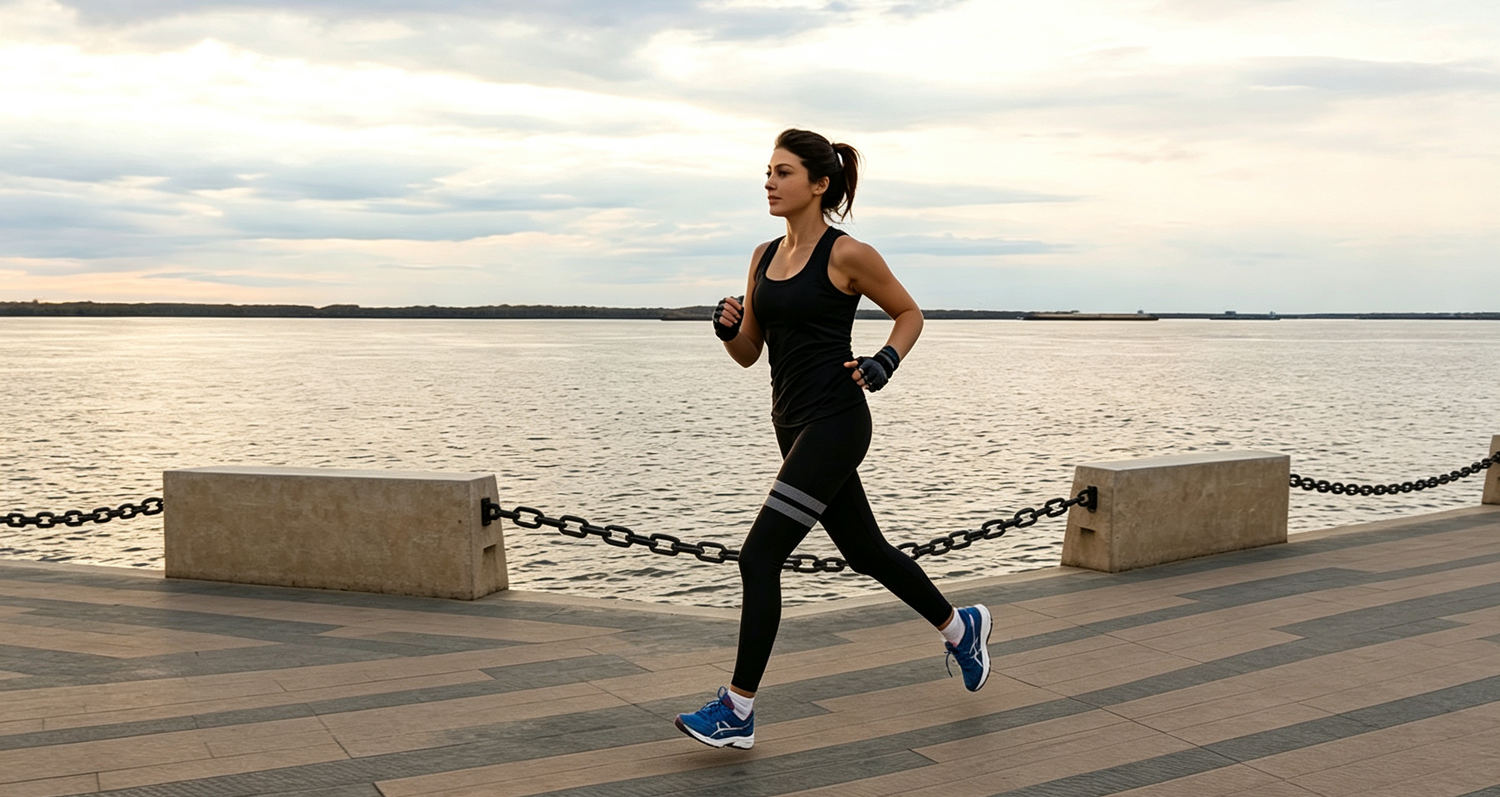
A Relaxed Upper Body Can Make Running Feel More Natural
Another thing beginners may overlook is what happens above the legs.
When you get tired or try to run faster, you may unconsciously tense your shoulders, clench your hands, swing your arms too much, or lean too far forward.
Instead, try to keep your upper body relaxed and let your arms move naturally with your stride.
You can occasionally check:
- Are your shoulders relaxed?
- Are your hands loose?
- Is your upper body relatively stable?
- Are your arms moving naturally?
- Does your landing feel controlled rather than heavy?
You don't need to constantly analyze every part of your body while running. A quick check from time to time is enough.
The goal isn't to create a “perfect” running form. It's to develop a movement pattern that feels comfortable and sustainable.

Image Source & Copyright Notice
This image is sourced from the book Are You Really Going to Run? That’s Great! and is used for informational and reference purposes only. The copyright of the original image belongs to the book’s author and the respective copyright holders.
Consistency Matters More Than Pushing Your Limits
Once you stop focusing too much on speed and perfect form, running becomes easier to approach.
For beginners, a good workout isn't necessarily the one that leaves you completely exhausted. It's the one you can recover from and repeat consistently.
Try focusing on four simple things:
Comfort: Choose a pace that feels manageable.
Control: Keep your movement steady instead of constantly changing speed.
Relaxation: Avoid unnecessary tension in your shoulders, hands, and upper body.
Consistency: Build a routine you can realistically maintain.
These basics can matter more than trying to copy the running style of an experienced runner.

Image Source & Copyright Notice
This image is sourced from the book Are You Really Going to Run? That’s Great! and is used for informational and reference purposes only. The copyright of the original image belongs to the book’s author and the respective copyright holders.
A Treadmill Can Help You Control Your Running Rhythm
One advantage of treadmill training is that it can help you maintain a more consistent running rhythm.
When running outdoors, traffic, hills, weather, and changing terrain can all affect how you run. On a treadmill, you can set a comfortable speed and maintain it, making it easier to focus on how your body feels and gradually find a steady running rhythm.
For beginners, this more controlled training environment can make it easier to understand their own rhythm instead of constantly increasing their speed.
You can start with walking, gradually move into light jogging, and slowly increase your speed as you become more comfortable.
The goal isn't to reach your maximum speed on day one. It's to build a running rhythm and movement pattern you can control and repeat.
Give Yourself Room to Progress
A beginner-friendly treadmill should support your training as your confidence grows, rather than pushing you to start at a higher intensity than you need.
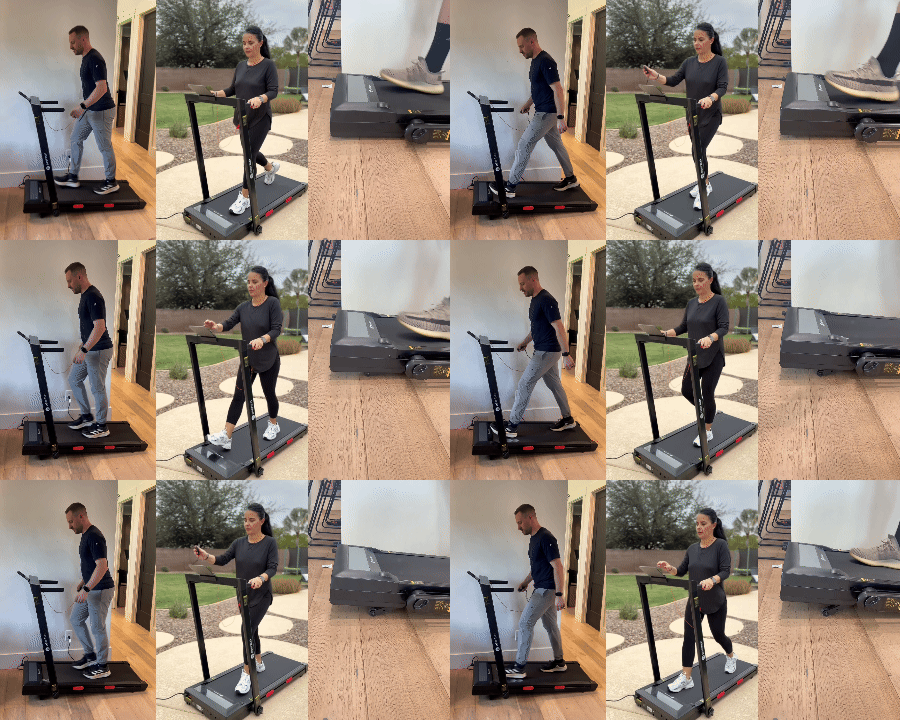
The DeerRun A1 Pro is designed for daily walking, light jogging, and home cardio. It offers speeds up to 10 MPH and up to 6% incline, giving you room to start comfortably and gradually add more challenge as your training develops.
Instead of choosing a treadmill simply because it offers the highest speed, think about whether it supports the way you actually want to train.
For beginners, having enough room to progress from walking → light jogging → running can be more useful than jumping straight into high-intensity workouts.
Better Running Starts With Better Habits
You don't need to completely rebuild your running form to become a better runner.
Start by avoiding two common mistakes: chasing speed and stride length, and letting unnecessary body tension build up.
Focus instead on a comfortable pace, natural movement, relaxed posture, and consistent training.
Over time, these simple habits can help you feel more comfortable and confident every time you run.
Good running form isn't about looking like a professional runner. It's about finding a pace and movement pattern that feels natural and sustainable for you.
Ready to Build a Better Running Habit? 🏃
Start with a pace you can control, focus on how your body feels, and give yourself room to progress.
Explore DeerRun A1 Pro →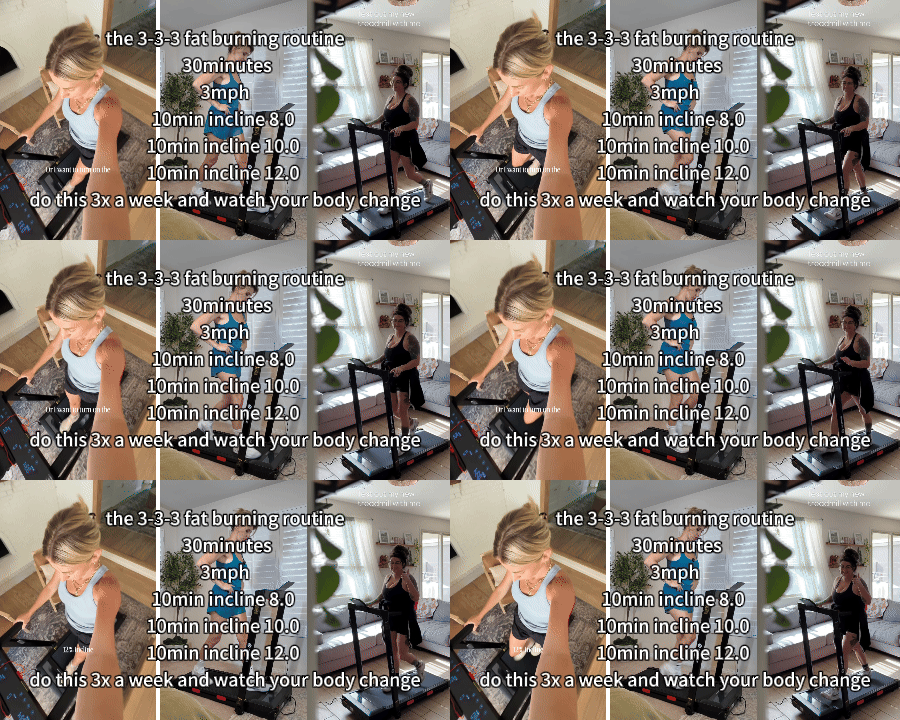


Leave a comment
This site is protected by hCaptcha and the hCaptcha Privacy Policy and Terms of Service apply.